














Careers / Overview
Build what people come home to.
Gates, garage doors, windows, façades and the quiet systems that run them. Designed, engineered and installed as one system, with our manufacturing partners, a head office in the United Kingdom, colleagues working remotely across our markets and teams in several capital cities.
Concept visualisation · a workshop at first light
One order, from the workshop to someone’s front door
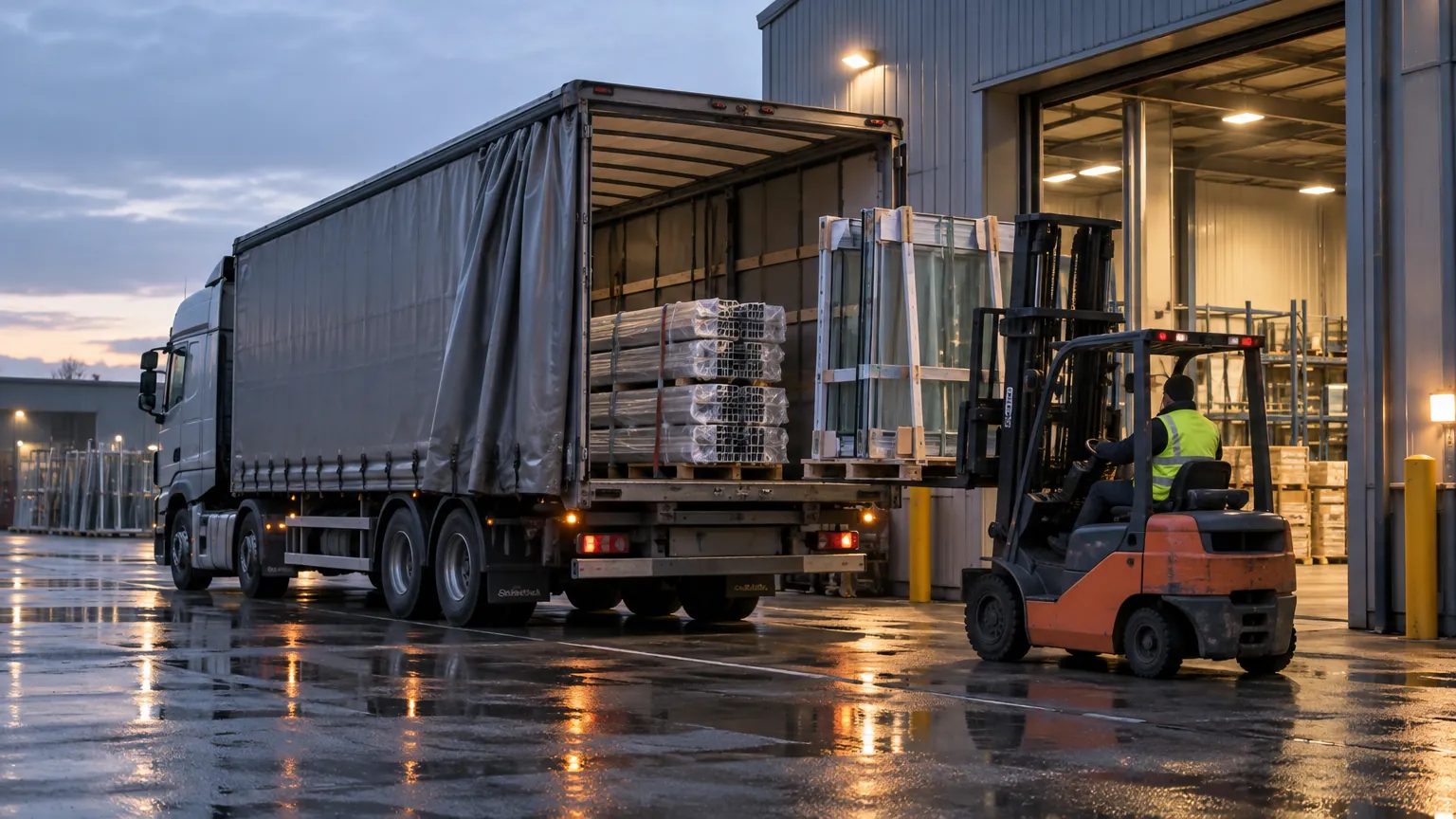
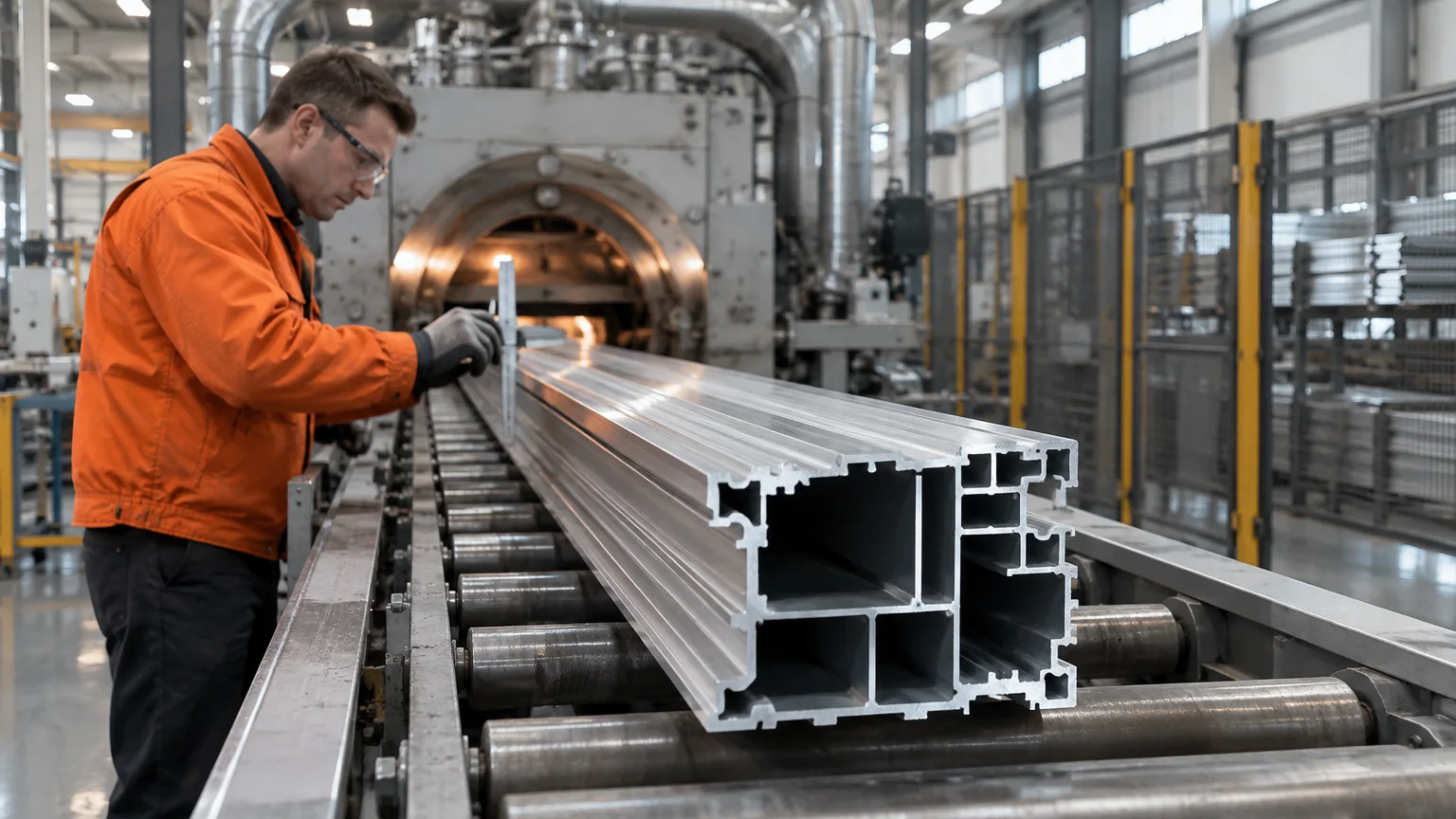
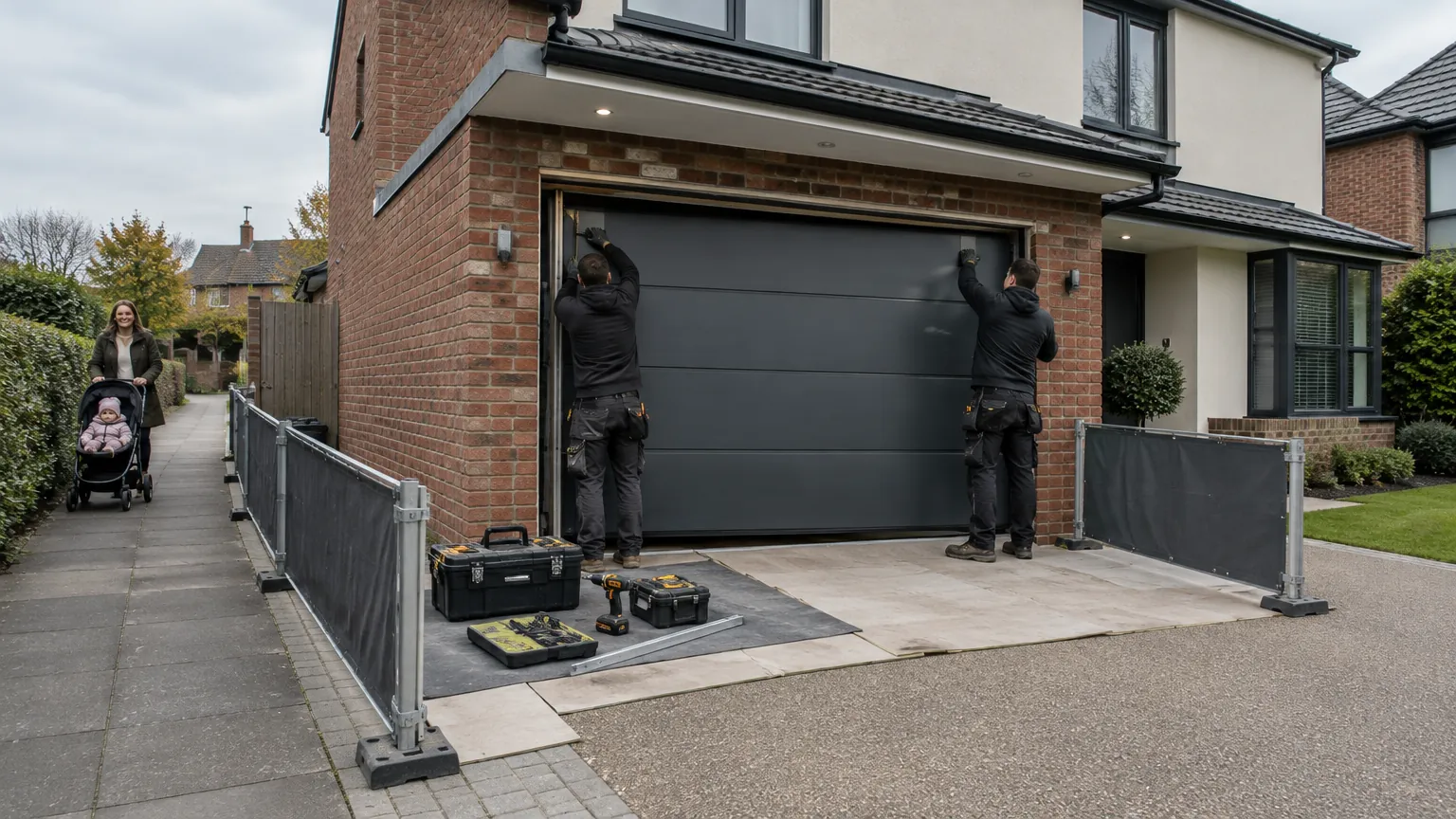
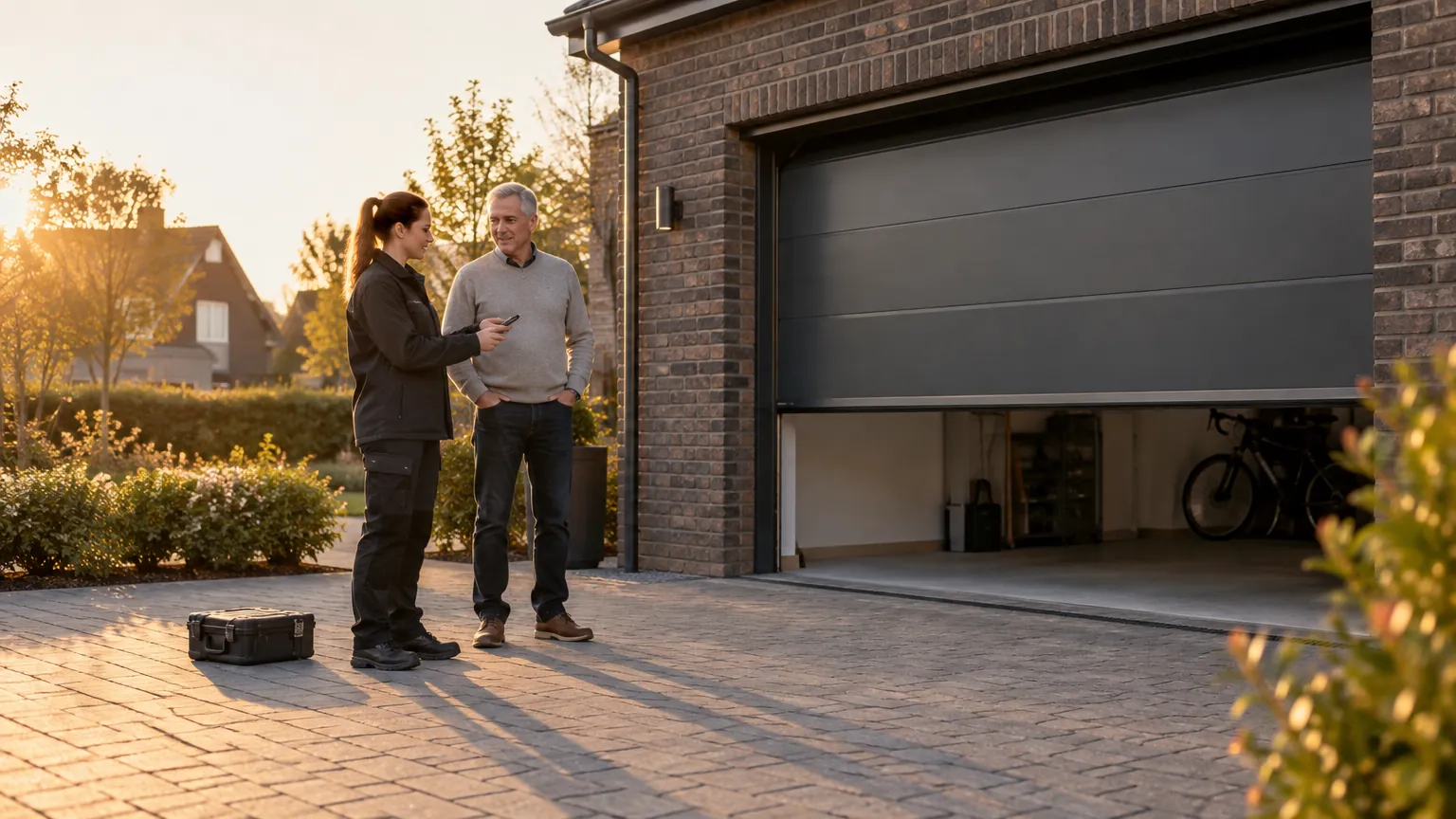
Illustrative. One order, from the workshop to someone’s front door, and the people who look after it on the way.
Skip the story01Plan
The day starts before the vans do.
Orders are checked against drawings, parts are matched to jobs, and routes and teams are planned. A good installation begins with a quiet hour of preparation.
Operations & corporateSurveying & project management
02Design
It starts with a tape measure.
A brief, a survey, an opening measured to the millimetre. Designers and engineers turn them into something that fits: its size, its finish, how it opens and how it meets the wall.
Sales & customer careDesign & engineering
03Make
Made with partners.
Checked against the order.
Profiles are extruded, panels pressed and glass cut by our manufacturing partners. Our job is to make sure that what arrives on site matches what was surveyed and ordered: every size, finish and option.
Manufacturing & supply partnersDesign & engineering
04Install
Then the door goes in.
Sections, frames and glass arrive protected and in order. Installers set them square, level and safe, then test every moving part before anyone calls it done.
Installation & field serviceSurveying & project management
05Hand over
Shown, not just
switched on.
Before the team leaves, the owner learns how it works: the remote, the app, the manual release, the care it needs. Long after, aftercare keeps it working.
Aftercare & repairsDigital & product
06Home
And then someone comes home.
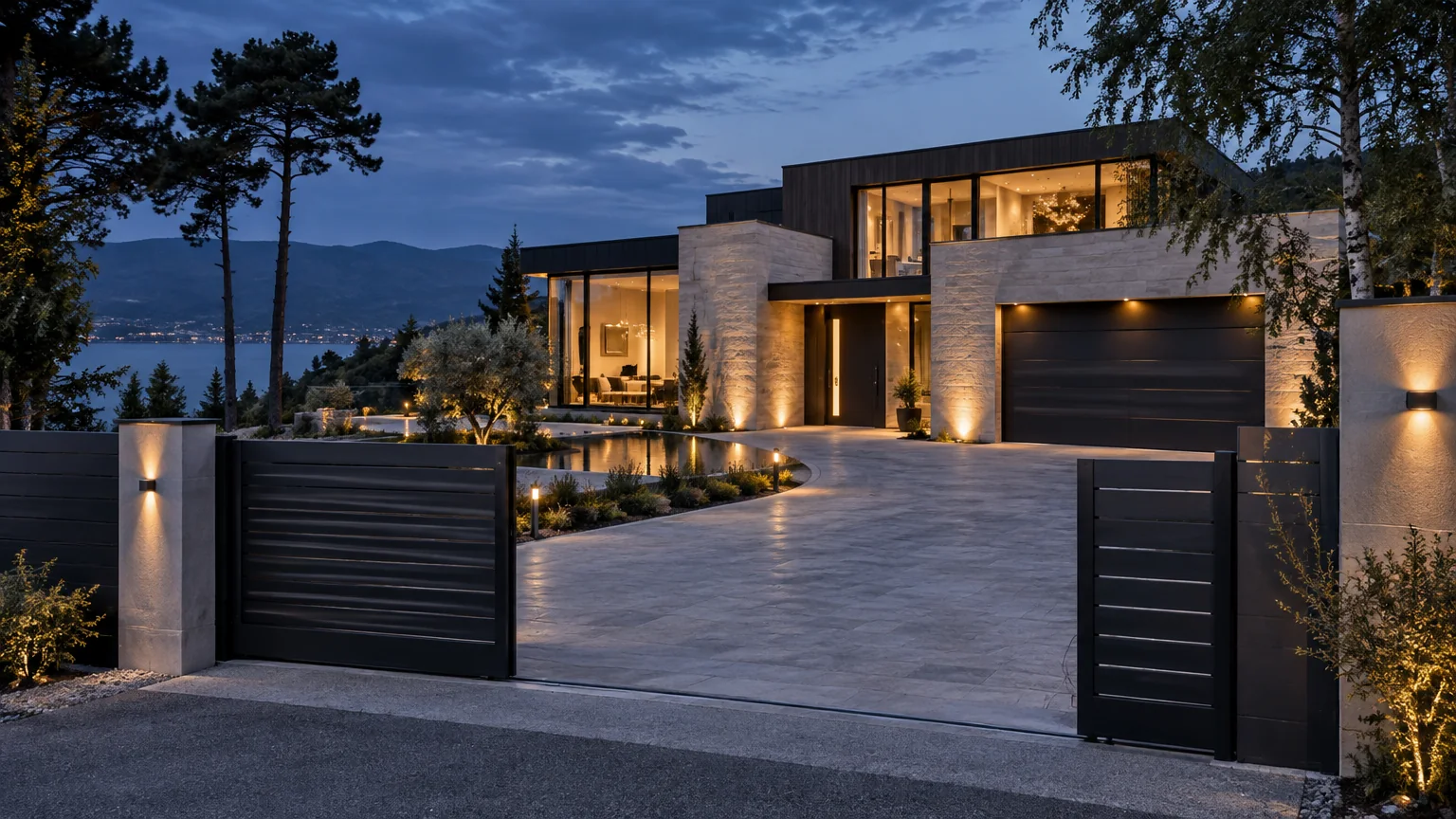
The gate opens, the garage lights up, the front door closes behind them. They may never know your name. They will use your work every day.
Illustrative · Concept visualisation
Why work here
A place to get good at something.
We tell every customer that people come first. It applies just as much to the people who do the work, from the day you start.
-
01
Work you can point to.
What we make stands on real streets: a garage door, a gate, a window, the glass skin of a tower. You can walk past your work and show someone.
-
02
Trained on every product.
You learn a product before you fit it, sell it or support it: how it is made, installed and cared for, and which parts only trained people work on. As the range grows, so does the training.
-
03
A named person from day one.
Before you start, you will know where to be and who you will meet. Your equipment and workwear are ready where the role needs them, and there is a written plan for your first weeks.
-
04
Safety before speed.
A briefing before work starts, the right protective equipment, and the authority to stop any job that does not look safe. Nobody should go home hurt.
The work
Things people touch every day.
Eight product families, from a garden gate to a tower façade. Choose one to see the work behind it.
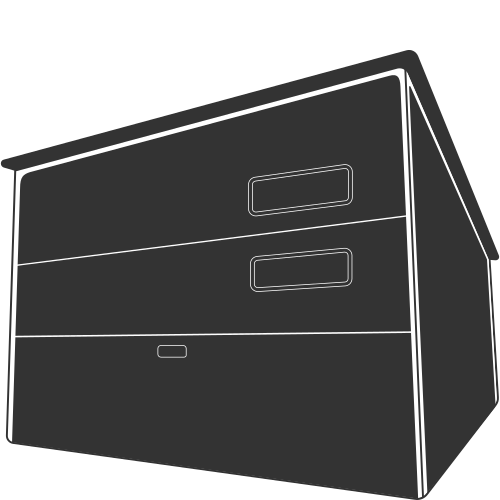
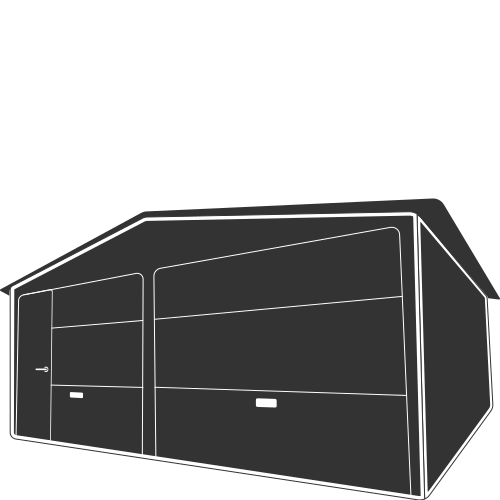
Garages, sheds and storage, through to rural and commercial steel buildings.
You might
- Survey a site and check the base is ready
- Assemble a steel frame and its cladding
- Fit the doors and hand over the keys

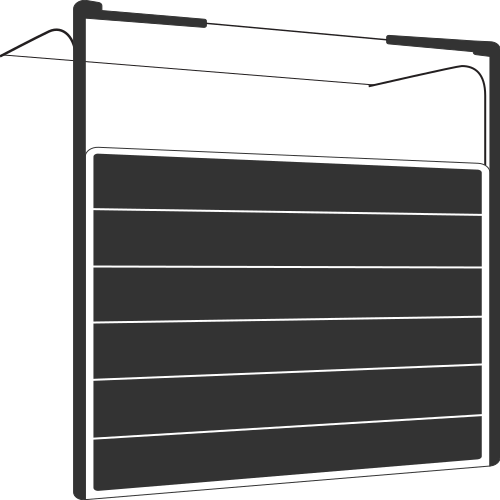
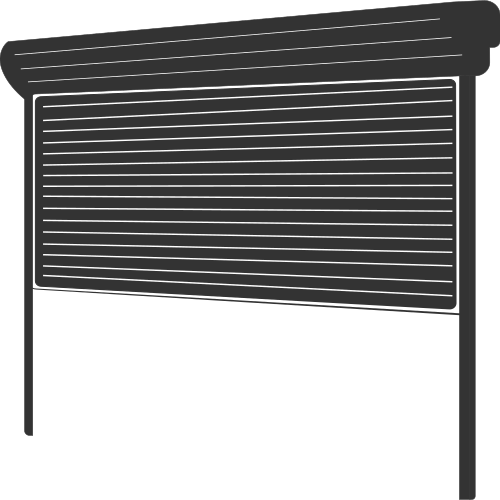
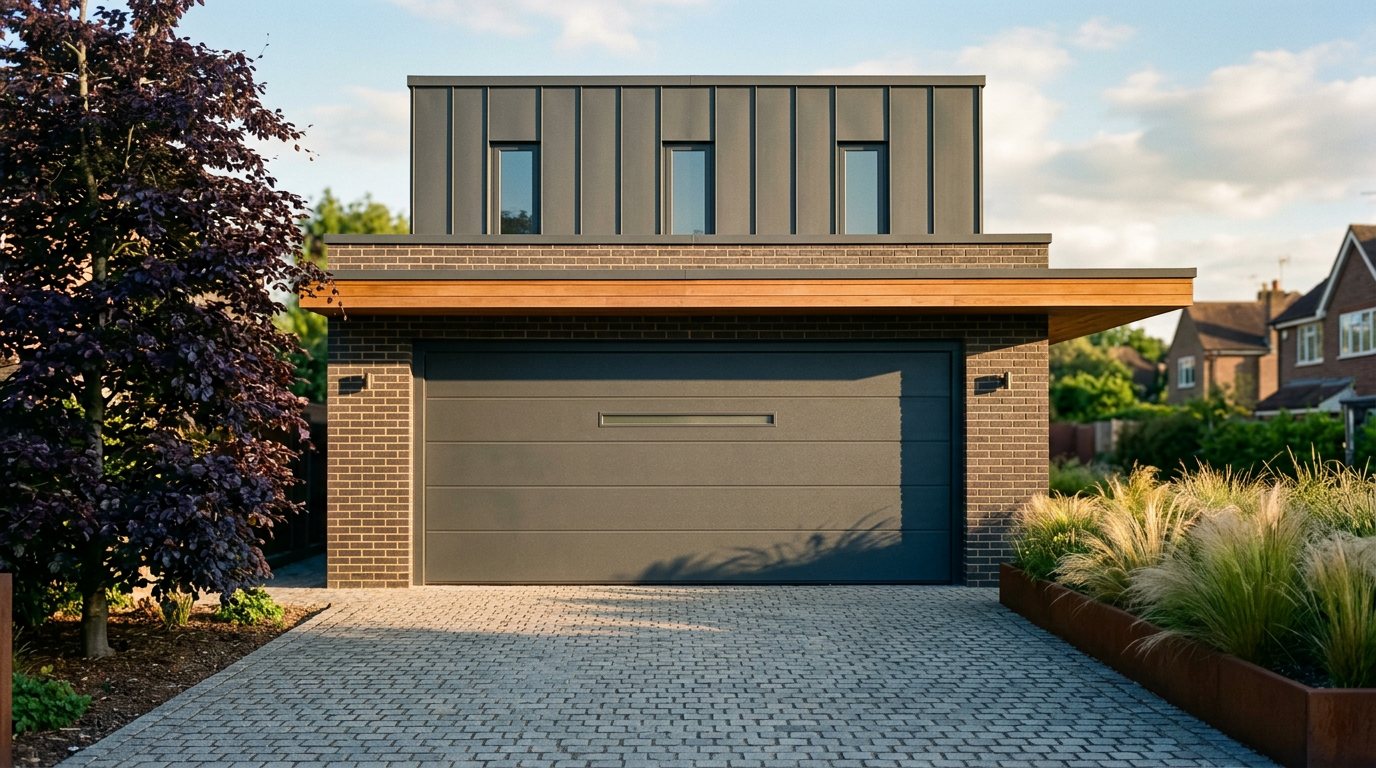
Entrance doors, and the largest moving surface of a home: sectional, roller and up-and-over garage doors, with their drives and safety features.
You might
- Measure an opening to the millimetre
- Set the tracks, sections and drive
- Test the safety features, then show the owner

Six collections of fences, gates and wickets in steel and aluminium, sharing one system of posts.
You might
- Set out a boundary on a sloping plot
- Hang a sliding or swing gate
- Fit a wicket and connect the gate drive
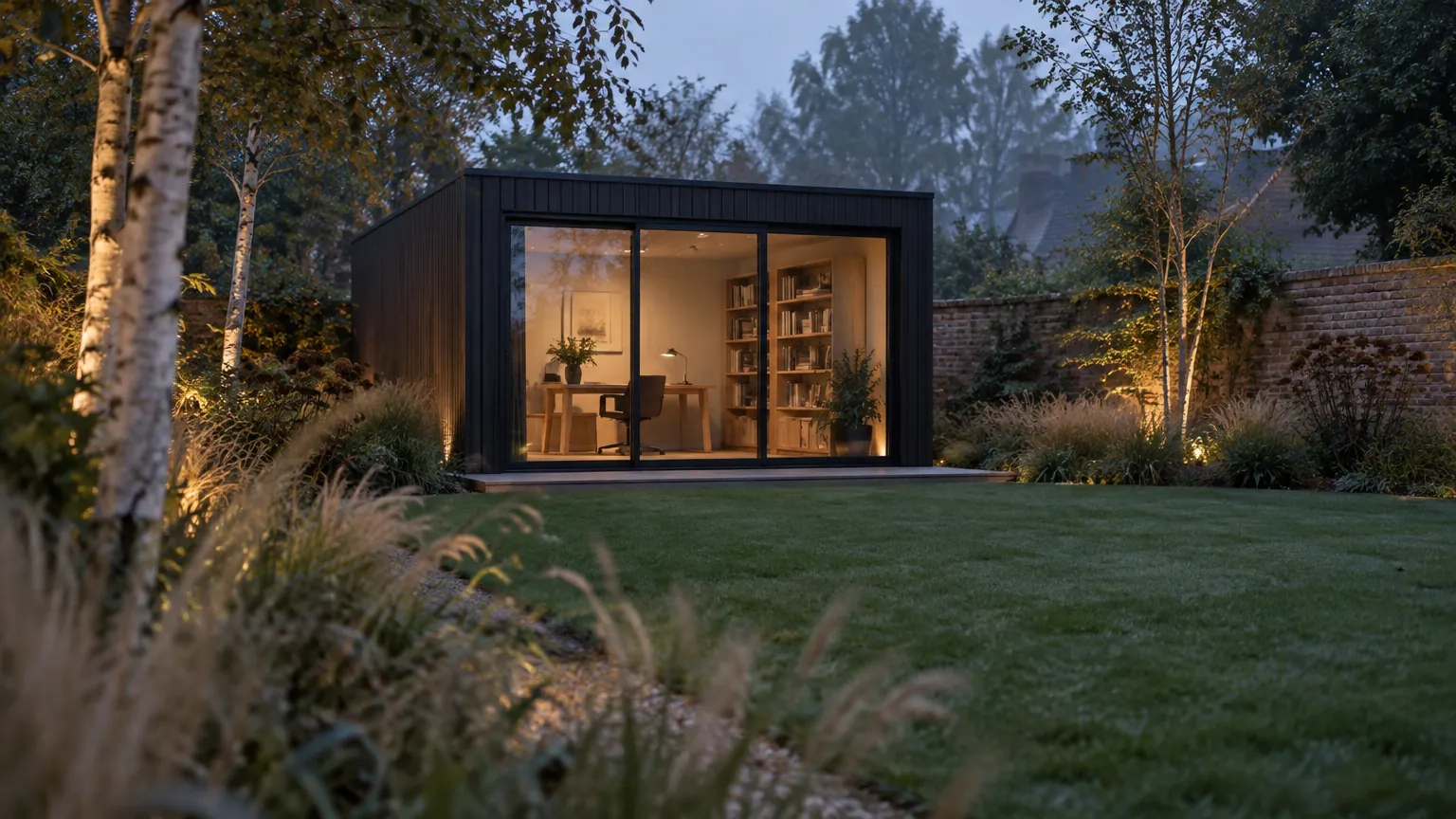
Office, commercial and industrial pods: room to work, make or think.
You might
- Plan access for delivery and placing
- Check the base and set the pod level
- Hand it over ready to use

Windows, patio doors and blinds that make a house warmer, quieter and lighter.
You might
- Survey and measure every opening
- Fit frames square, sealed and insulated
- Set up motorised blinds
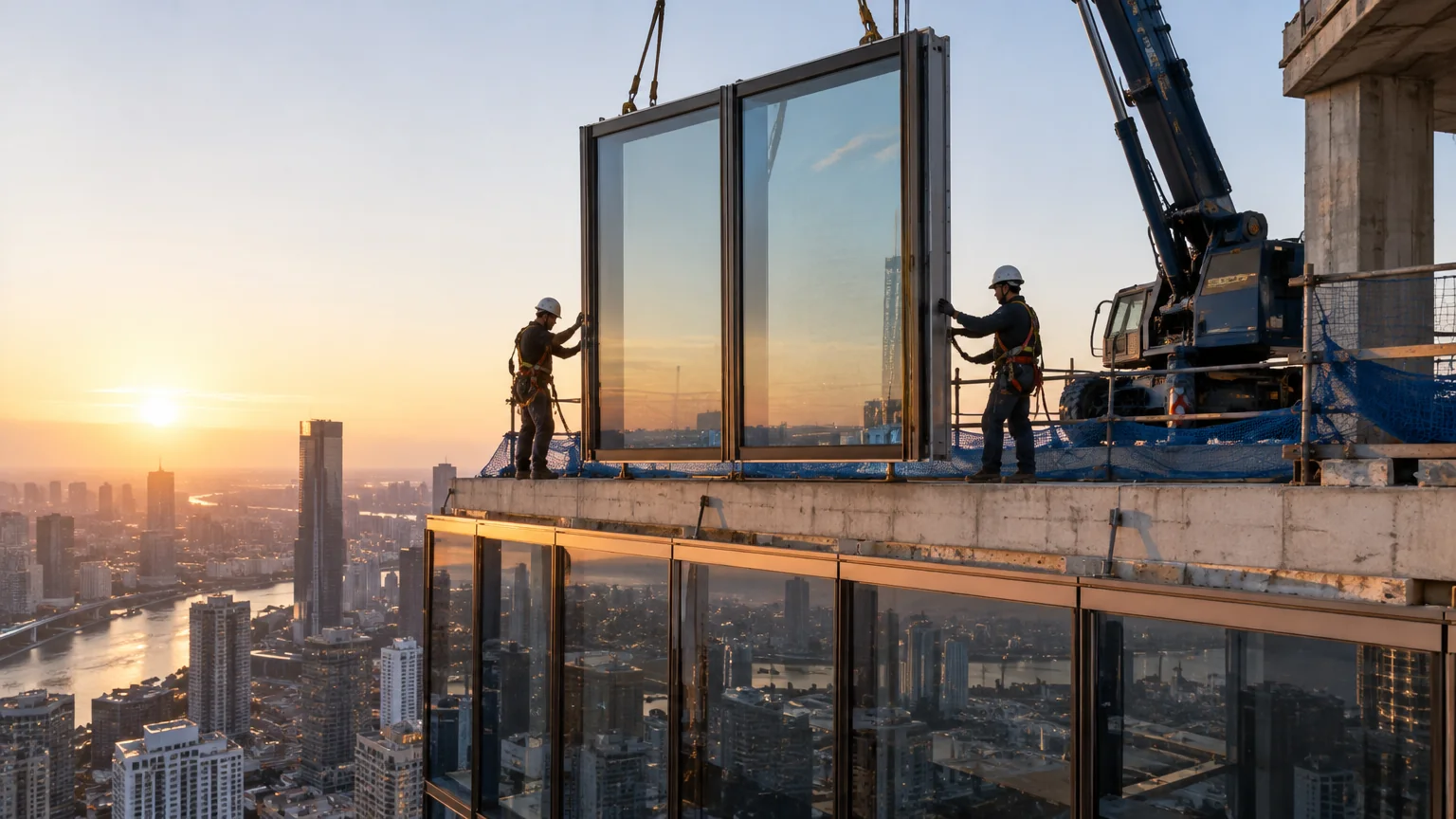
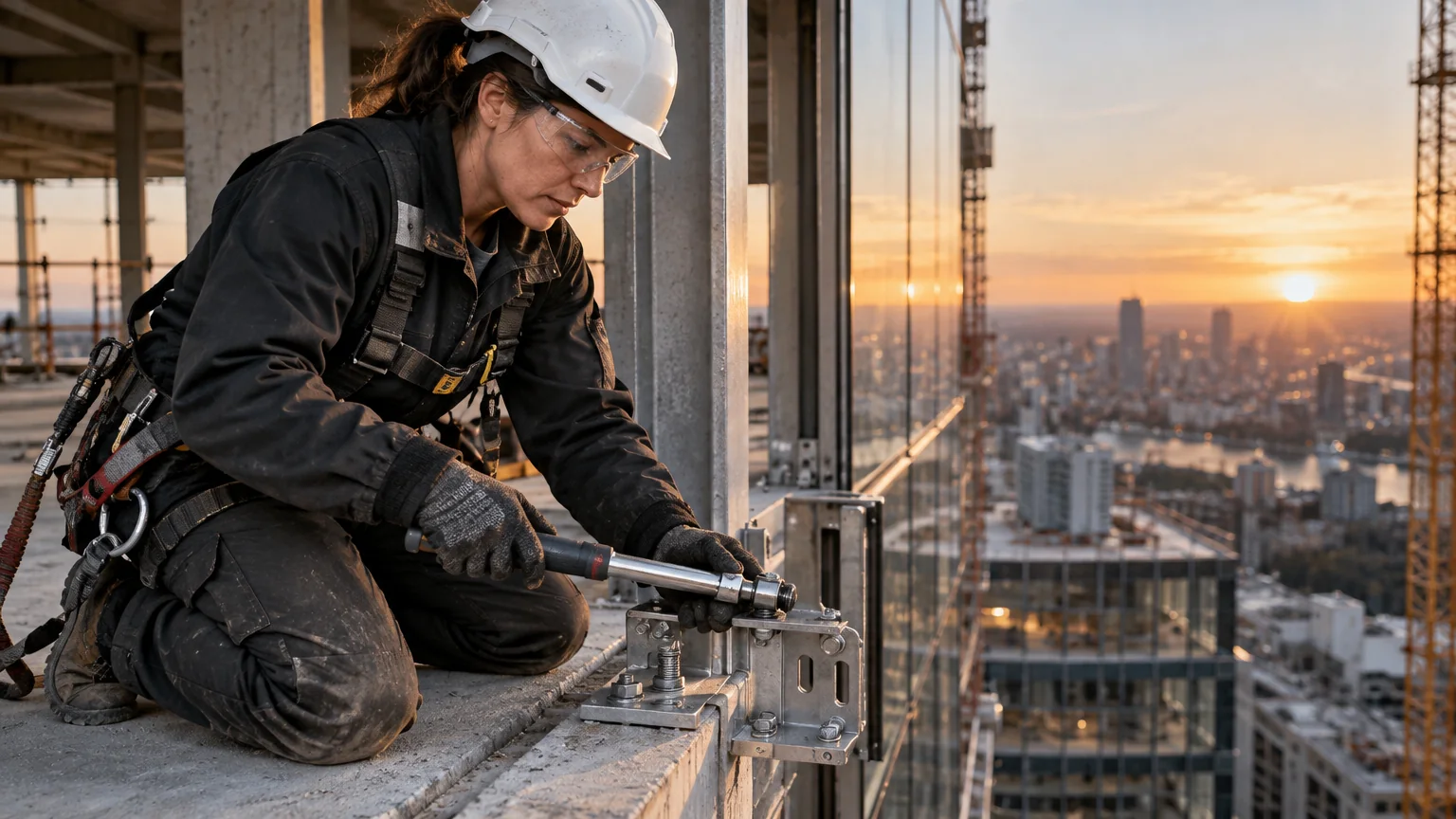
Façades for towers, headquarters, hotels and homes, designed, engineered, tested and installed as one system.
You might
- Detail a curtain-wall node down to its gaskets
- Plan a panel lift, floor by floor
- Follow air, water and wind tests on a full-size mock-up

The gate, the garage, the door, the windows, the blinds and the heating: one quiet system, run from one app.
You might
- Pair drives and controls with the app
- Set up scenes and access for a household
- Help a customer when something will not connect
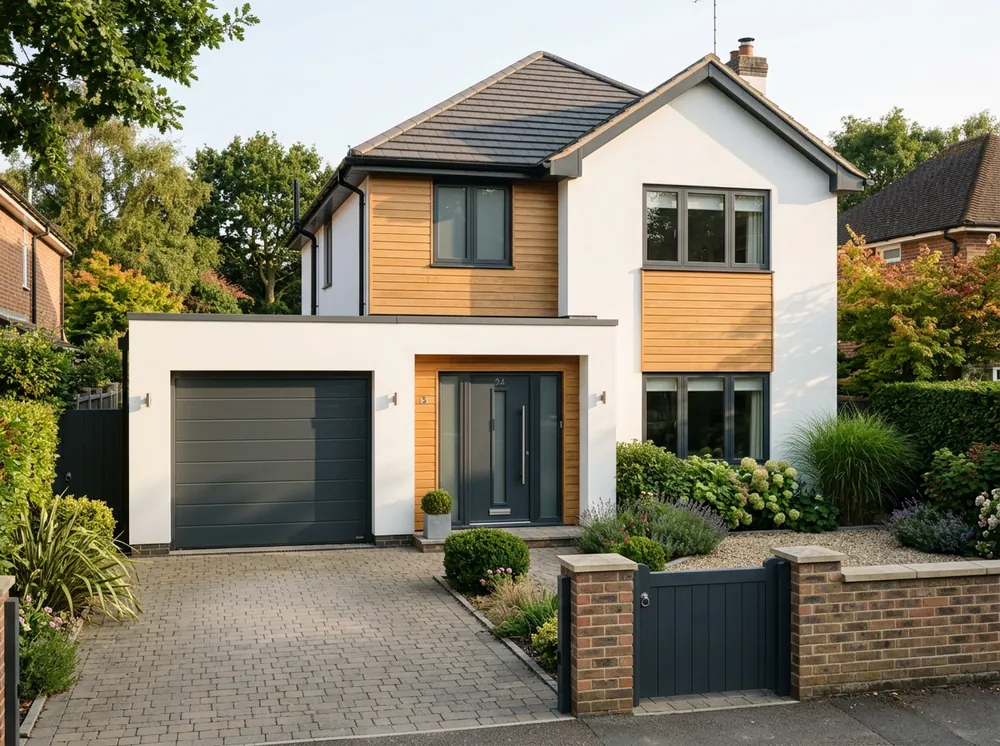
Doors, windows, garage and fencing: a complete exterior, considered as one.
You might
- Match one finish from the gate to the front door
- Coordinate several products on one project
- Walk a homeowner through a shared palette
Applying
How we hire, step by step.
Seven steps, set out in advance: plain-language adverts, decisions based on what you can do, and an adjustment at any step if you need one.
Step 1 of 7
Find a role.
What happens
Open roles are listed on Search jobs. Each advert sets out the work, where it is based and what is essential.
What you can do
Filter by discipline, set up a job alert, or register your interest if nothing fits yet.
Adjustments
Need an advert in another format, such as large print or plain text? Ask us and we will send it.
Step 2 of 7
Apply.
What happens
You email your application to the people who handle hiring, with the role reference. We aim to keep it short: a CV and a few lines on why the role interests you.
What you can do
No CV? Describe your experience in the email instead. Work, training, volunteering and life experience all count.
Adjustments
Tell us about any adjustment you need for the rest of the process. Asking will not count against you.
Step 3 of 7
We read it.
What happens
A person on the hiring team reads your application against what the role needs. We aim to tell everyone who applies the outcome, including when it is a no.
What you can do
Nothing, for now. If we need more information, we will ask.
Adjustments
If you would like us to contact you in a particular way, by email or by phone, say so in your application.
Step 4 of 7
A first conversation.
What happens
A call or video call with the person you would work for: the role, the team, the work and your questions. It is a two-way conversation: we learn about your experience, and you should leave knowing what the job really involves.
What you can do
Ask anything: hours, travel, training, the team. Good questions help us both.
Adjustments
Ask for the questions in advance, a phone call instead of video, captions or extra time.
Step 5 of 7
Meet the team.
What happens
Depending on the role, this may be a practical task, a visit to see the work, or a conversation about something you have done. We tell you beforehand what it involves.
What you can do
Bring examples if you have them: photos of your work, drawings, a project you are proud of.
Adjustments
Step-free access, a quiet room, a different time, someone with you or a different format. Just ask.
Step 6 of 7
Offer and checks.
What happens
If it is a yes, we make an offer and confirm it in writing. The offer depends on a few checks: as the law requires in the country where the role is based, we check your right to work there before you start, and we take references where the role needs them.
What you can do
Read the offer, ask your questions, and ask for time to decide if you need it.
Adjustments
Tell us what you will need when you start, so it can be ready on your first day.
Step 7 of 7
Your first day.
What happens
A named person meets you, walks you through your first weeks and introduces your team. Product training starts here.
Adjustments
We aim to have the adjustments agreed during hiring in place when you arrive. You can ask for more at any time.
Step 1 of 7: Find a role
More about careers
Four doors into the work.
Starting out, choosing a direction, seeing where the work goes, or ready to apply.
-
 01Early careersSchool leavers, apprentices, graduates and career changers. The routes in we are building.Start here
-
02Career disciplinesNine disciplines, from the drawing board to the driveway, and how they connect.See the disciplines
-
 03Explore our regionsWhere our products go across four regions, and where our teams and remote colleagues work.Explore the regions
-
 04Search jobsOpen roles at the head office, remote and in our city teams, with filters and job alerts.Search jobs
Concept visualisations
Questions
Good questions.
Starting out, a region or a particular role? Early careers, Explore our regions and Search jobs answer those. Anything else: enquiries@watford-construction.com.
Everyone is welcome to apply. We make hiring decisions on skills, experience and potential, and we do not discriminate on age, disability, gender reassignment, marriage or civil partnership, pregnancy or maternity, race, religion or belief, sex or sexual orientation. How we think about fairness and access across the company: Inclusion and diversity.
It depends on the role and on how many of the seven steps it needs. When we first get in touch, we aim to tell you which steps apply and when you should hear from us next.
Yes. Send a separate email for each role, with its reference, so each application is read against what that role needs. If two roles interest you for the same reason, say so.
Nothing open that fits?
Tell us what you would like to build.
Register your interest once, on Search jobs, with a few lines about you and the work you are looking for. Then we can get in touch when something that fits comes up.
Search jobs prepares an email to enquiries@watford-construction.com. Nothing is sent until you send it from your email app.
