












Company / Supplier responsibility
Responsibility runs the whole chain.
Five layers · from the ground up
Every product we sell and install passes through many hands before it reaches yours. We ask each of them to work to the standards we hold ourselves to: safely, fairly, lawfully and with care for the places they work in.
Something not right? Speak up in confidence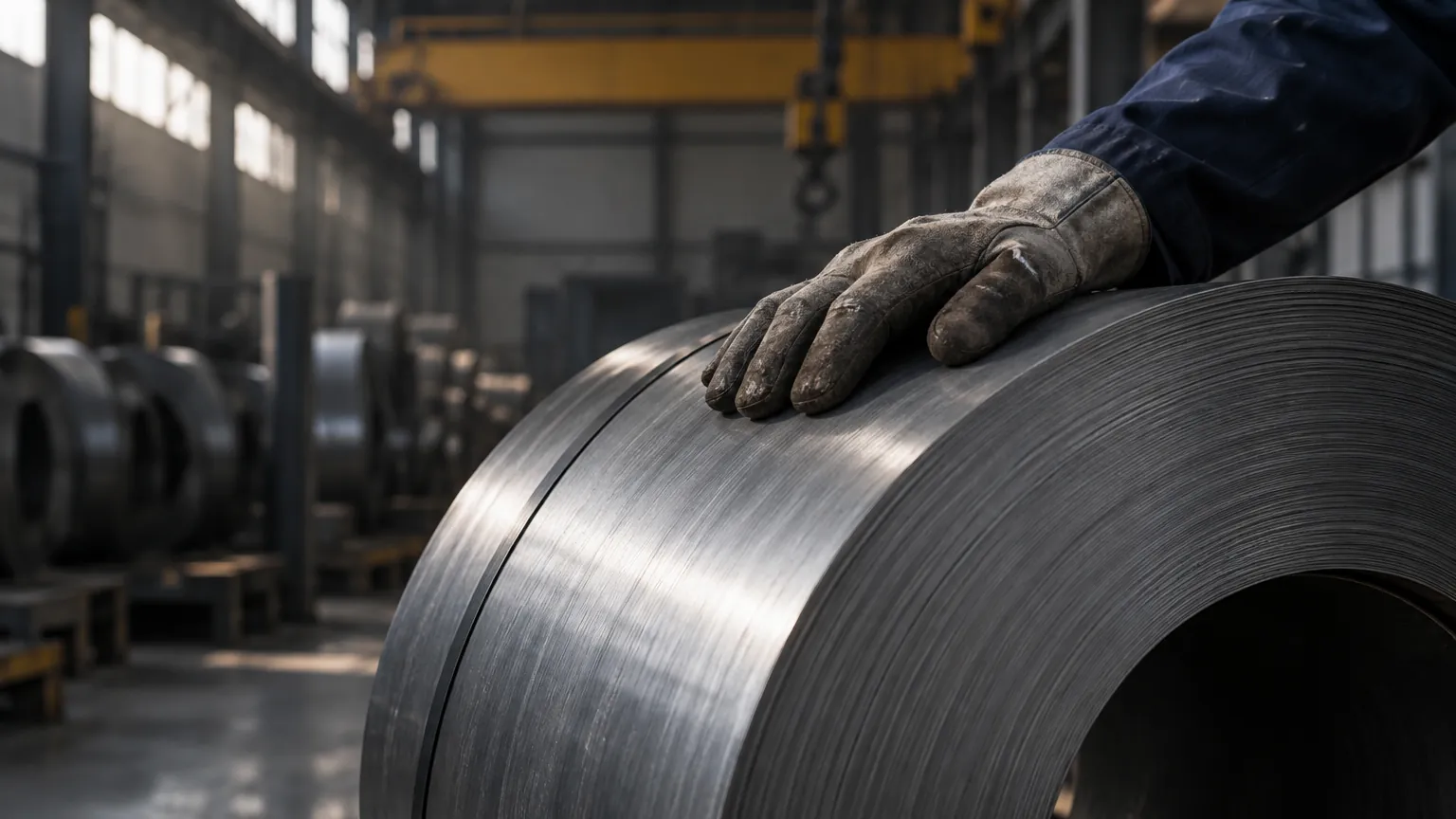
Five layers, one standard.
Engineered in Europe, installed across 22 markets. Between the ground a material comes from and the wall it ends up in, a product passes through five layers of work. The stack follows you as you read them, from the ground up.
Layer 01 / 05
Raw materials
Aluminium · steel · glass · timber · PVC · metals in electronics
The chain begins in mines, mills, forests and plants, often far from where a product is finally installed. It is the layer hardest to see, so it is where we ask the most questions.
What we ask
- Know where materials come from, and share origin information when we ask.
- Timber from legal sources, with certified chain of custody (for example FSC or PEFC) where it is available.
- Declare recycled content only where it can be evidenced.
- Source tin, tantalum, tungsten and gold in electronics responsibly, following the OECD due diligence guidance.
Where the risks sit
- Forced and child labour
- Illegal logging
- Conflict minerals
- Energy-intensive processing
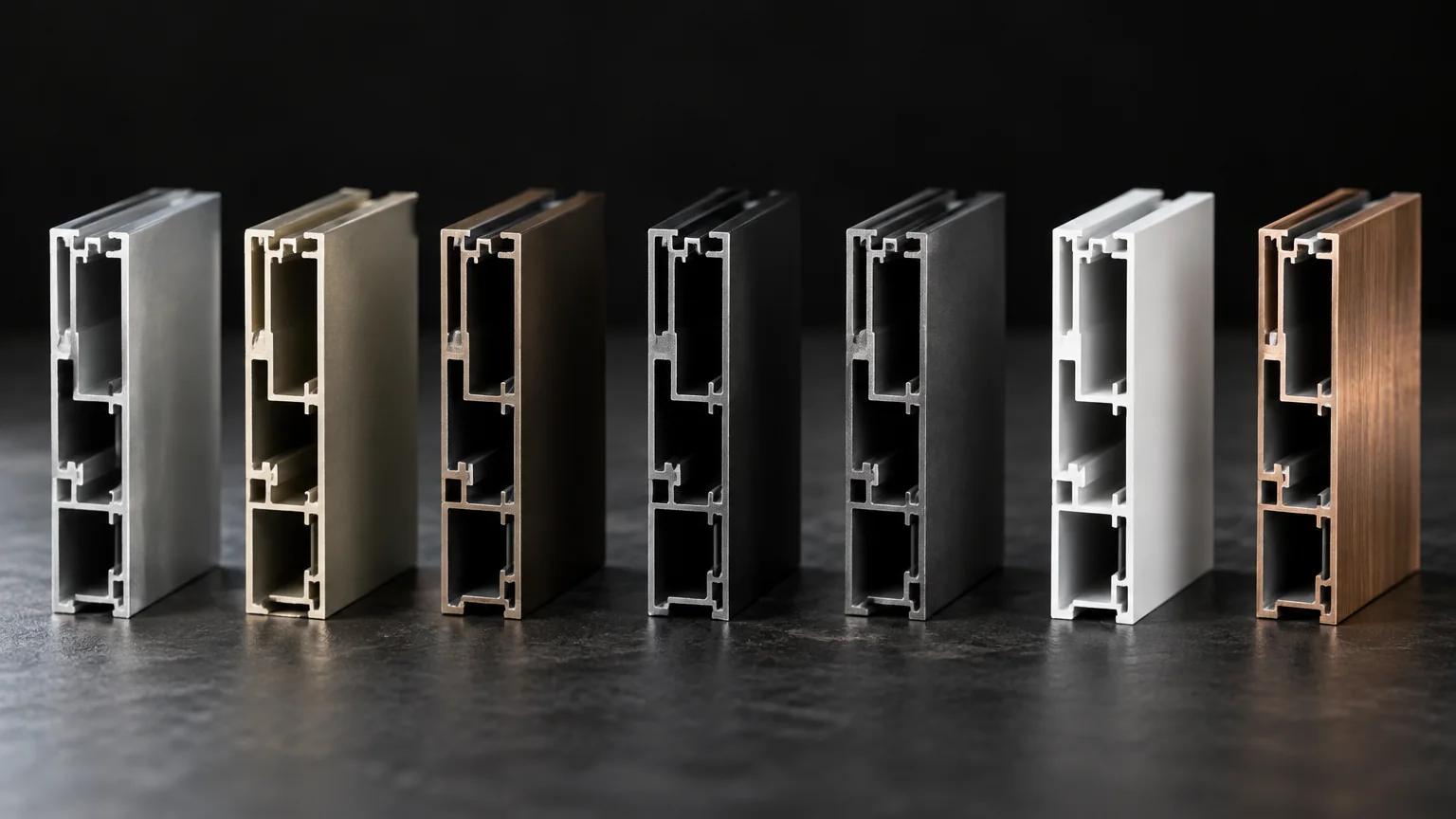
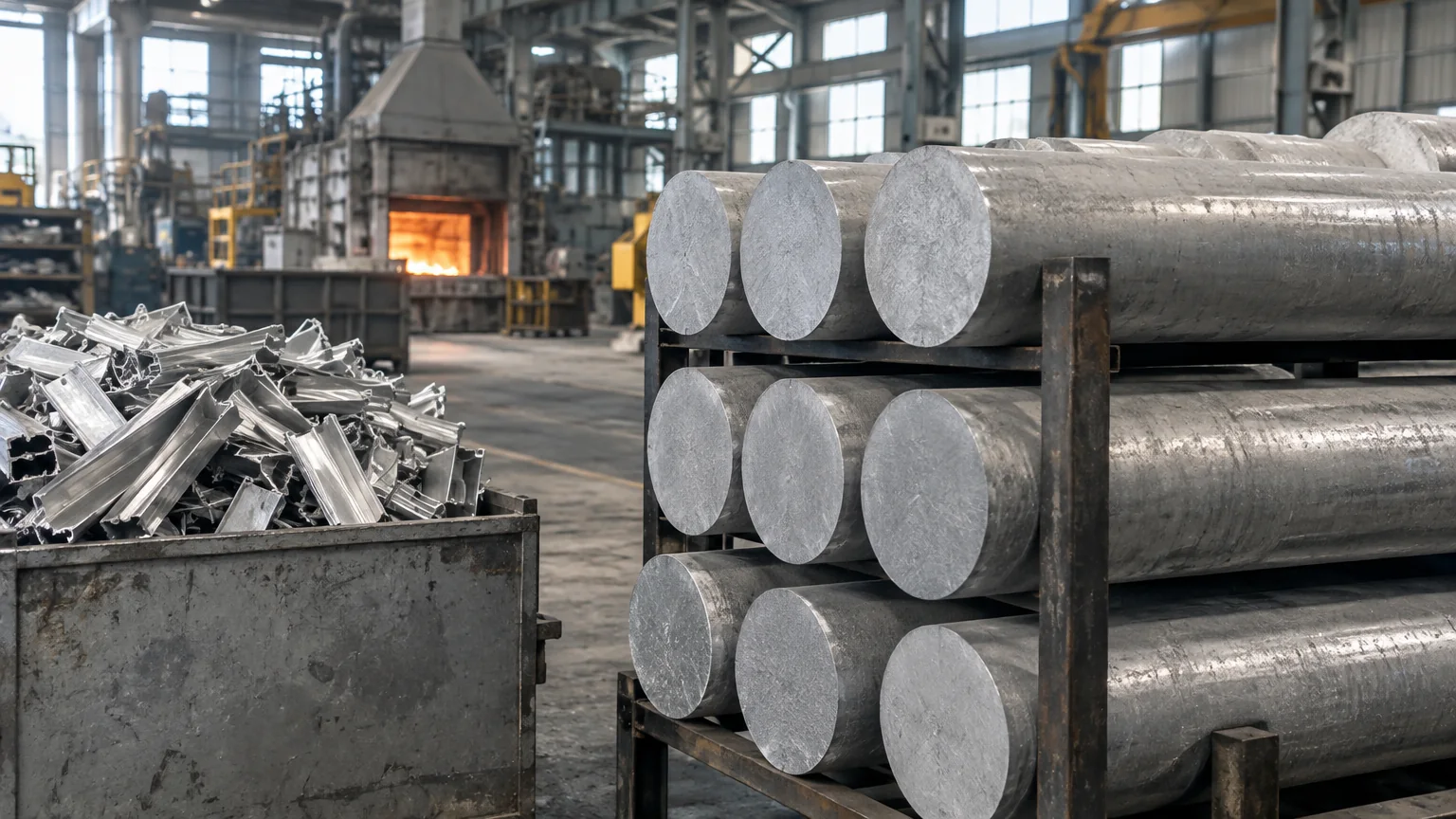
Layer 02 / 05
Components
Profiles · sheet · glazing units · hardware · seals · motors · sensors
Materials become parts: extruded profiles, coated sheet, sealed glazing, locks, hinges and the electronics that make a door or window intelligent. Each part carries its own chain behind it.
What we ask
- Materials declarations, including REACH and RoHS compliance where they apply.
- Traceable batches, so a part can be followed back if a question arises.
- Consistent quality to the agreed specification, with changes notified before they happen.
- Pass these expectations on to their own suppliers.
Where the risks sit
- Restricted substances
- Counterfeit parts
- Unnotified subcontracting
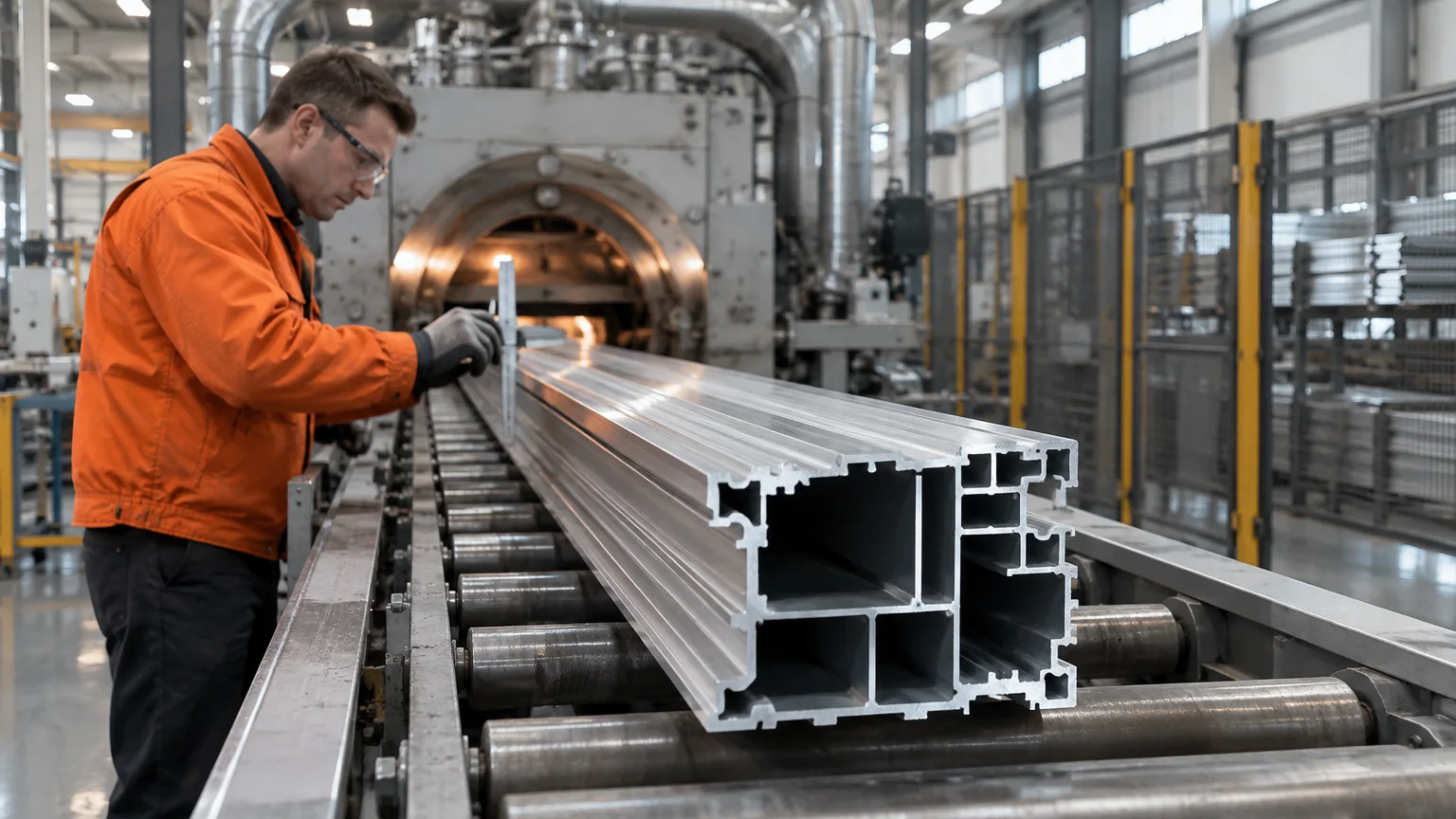
Layer 03 / 05
Manufacturing partners
Extrusion · cutting · welding · coating · glazing · assembly · testing
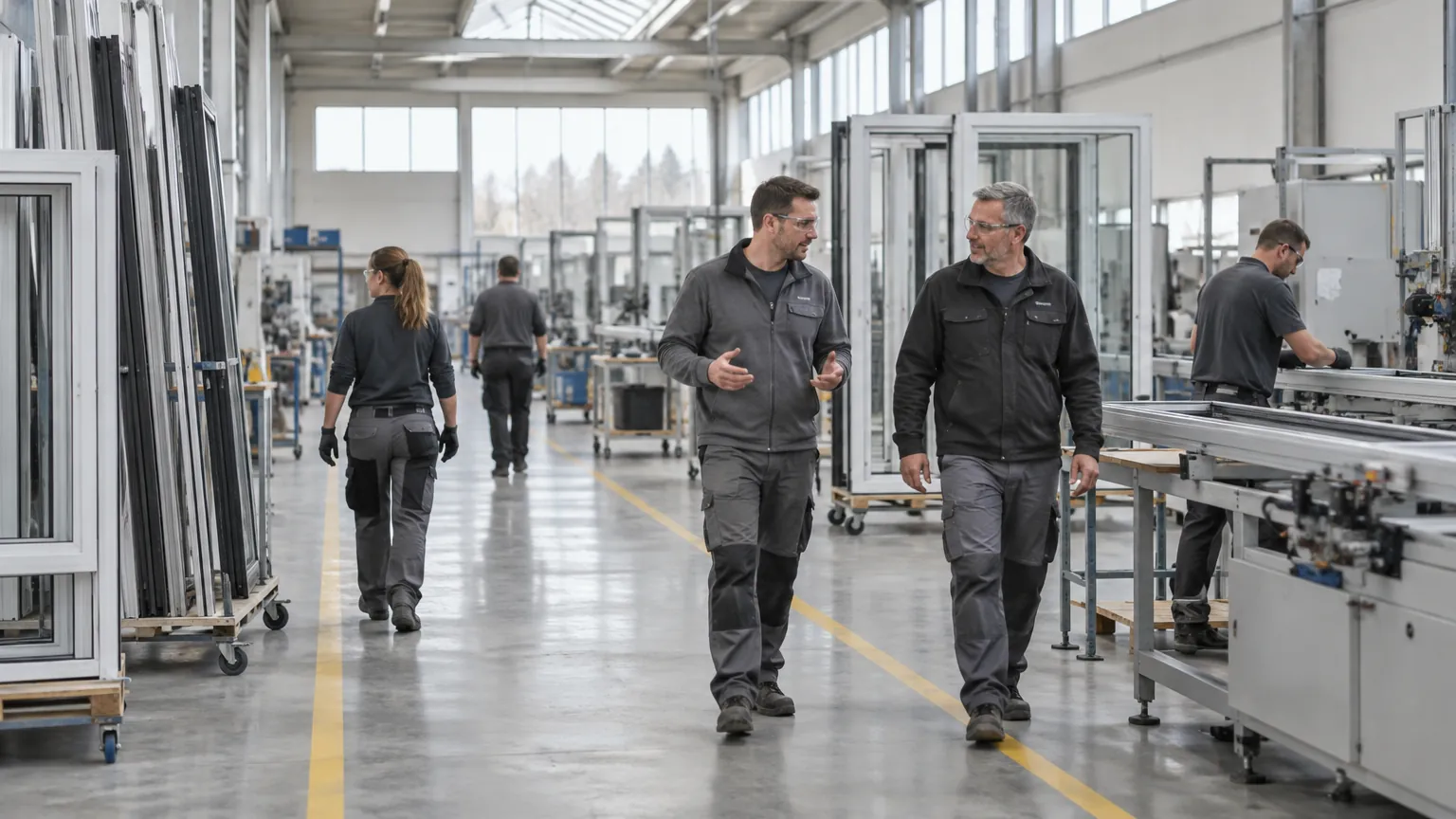
This is where products take shape, made by our manufacturing partners to agreed specifications. It is also where many of the people in the chain work, so working conditions matter most here.
What we ask
- Safe workplaces, trained people and the right protective equipment for every task.
- Freely chosen work, legal wages and working hours within legal limits.
- Testing to the relevant European standards, and CE marking where a harmonised standard applies.
- Waste, emissions and chemicals managed under the permits the site requires.
Where the risks sit
- Machine safety
- Chemicals in finishing
- Excessive overtime
- Agency labour
Layer 04 / 05
Logistics
Packaging · storage · loading · transport · delivery
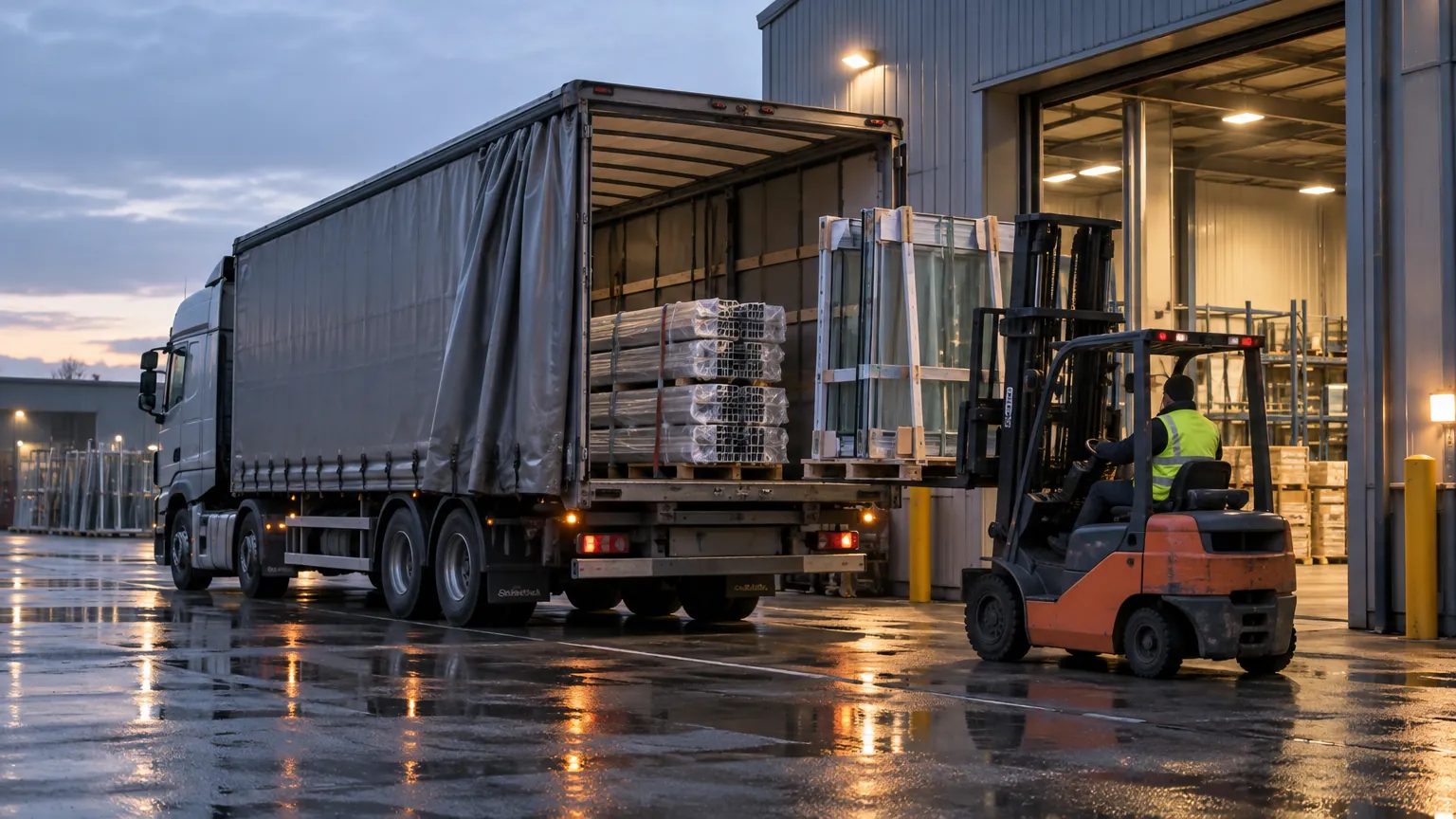
Large, heavy and fragile products travel a long way before they reach a site. The people who pack, store and drive them work under real pressure, and we ask our partners to protect them as carefully as the load.
What we ask
- Packaging that protects without excess, reusable or recyclable where practical.
- Safe loading and lifting, and driving hours within legal limits.
- Fair treatment for drivers and warehouse staff, including agency workers.
- Careful, secure handling, so products arrive as they left.
Where the risks sit
- Driver fatigue
- Manual handling
- Labour exploitation
- Packaging waste
Layer 05 / 05
Installation partners
Survey · site work · fitting · commissioning · handover
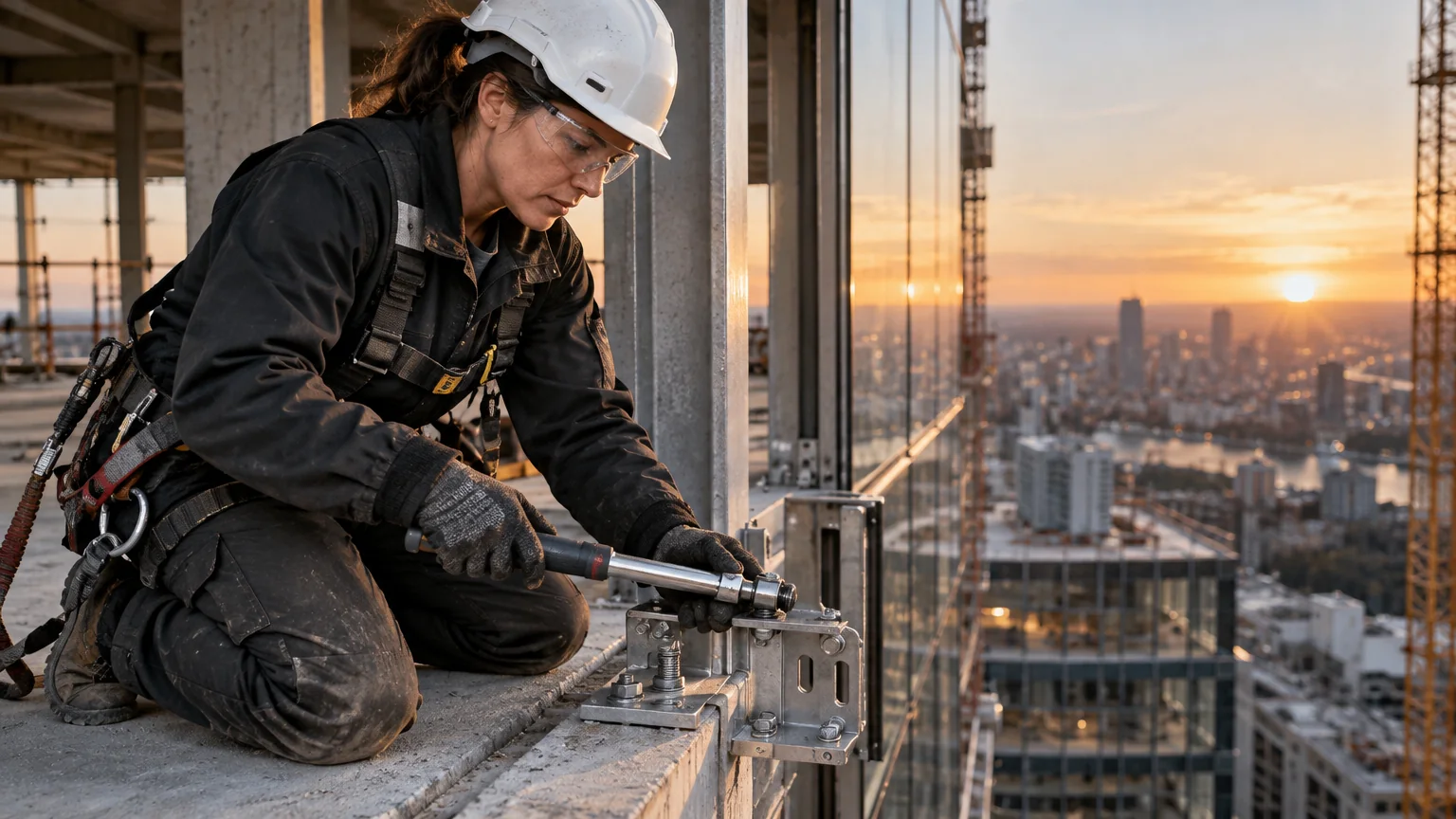
The last layer is the one you meet: the people who fit the product at your home or on your project. They represent us at your door, so we ask them to work as we would.
What we ask
- Competent, trained installers, with right to work checked.
- Risk-assessed work, especially at height, when lifting and with power tools.
- Respect for homes, neighbours and sites: dust and noise kept down, waste separated.
- A clean handover, with an explanation of how to look after the product.
Where the risks sit
- Work at height
- Manual handling
- Unchecked subcontracting
Many hands
From the mine to your doorstep, one door passes through many hands.
- Mine and forestOre is dug, sand quarried and timber felled.
- Mill and smelterSteel is rolled and aluminium cast.
- Component plantGlass is cut, seals pressed and the motor wired.
- FactoryThe door is made and tested.
- On the roadIt is packed and carried across borders.
- Your doorstepAn installer fits it at your home.
Every pair of hands along the way is part of what you buy from us.
People come first. In everything we do.
Watford Construction · our principle, extended to everyone who makes our products

Bringing the chain into the light
Every layer is hidden from the next.
Our job is to bring it into the light.
Supplier code
Five pillars.
One code for everyone in the chain, from the mill to the installer. It sets out what we expect, the kind of evidence we may ask for, and the public frameworks it draws on. It describes our approach and our expectations; the terms of any supply relationship are set in the agreement itself.
We expect
- No forced, bonded, trafficked or involuntary prison labour, in any form.
- No recruitment fees charged to workers, and no holding of their identity documents.
- No child labour; young workers protected from hazardous work.
- At least the legal minimum wage, paid on time, with working hours and rest within legal limits.
- Freedom of association, and no discrimination, harassment or harsh treatment.
Evidence we may ask for
- Policies on forced and child labour
- How recruitment agencies are chosen and checked
- Sample contracts, payslips and time records
- A way for workers to raise grievances
Frameworks
- ILO fundamental conventions
- UN Guiding Principles on Business and Human Rights
- Modern Slavery Act 2015 (UK)
We expect
- Risks assessed for each task, and controls in place before work starts.
- Training for the work people do, and suitable protective equipment at no cost to them.
- Guarded, maintained machinery and safe handling of chemicals.
- Emergency planning, first aid, and recording of accidents and near misses.
- Clean welfare facilities, and safe accommodation where it is provided.
Evidence we may ask for
- Risk assessments and method statements
- Training records
- Accident and near-miss logs
- Equipment inspection records
Frameworks
- ISO 45001
- Local health and safety law
We expect
- The environmental permits a site requires, held and complied with.
- Work to reduce energy, emissions, water use and waste.
- Hazardous substances controlled, stored and disposed of safely.
- Legal timber, and honest information about materials and recycled content.
- Packaging kept to what protects the product.
Evidence we may ask for
- Permits and inspection outcomes
- Materials and substance declarations
- Waste transfer and recycling records
- Timber chain-of-custody documents
Frameworks
- ISO 14001
- REACH
- RoHS
- UK Timber Regulations
We expect
- No bribery or corruption, offered or accepted, directly or through others.
- Gifts and hospitality that are modest, occasional and recorded.
- Conflicts of interest declared, including links with our own staff.
- Fair competition, accurate records and honest claims about product performance.
- Personal data handled lawfully and kept secure.
Evidence we may ask for
- An anti-bribery policy
- A gifts and hospitality register
- Conflict of interest declarations
- Test reports behind performance claims
Frameworks
- Bribery Act 2010 (UK)
- UK GDPR
We expect
- A named person responsible for these standards.
- Policies, records and training that make them part of daily work.
- The same expectations passed on to sub-tier suppliers, and checked.
- Problems found, owned and corrected, with a plan and a date.
- Cooperation with reviews and site visits, and a channel for workers to speak up.
Evidence we may ask for
- An organisation chart with responsibilities
- Supplier approval records
- Internal audit and corrective action logs
- Management system certificates, where held
Frameworks
- ISO 9001
- ISO 14001
- ISO 45001
Frameworks are named so that suppliers know what we refer to. Naming them does not mean any party is certified to them.
Readiness check
Ready to supply?
Ten questions drawn from the code. Answer them honestly; anything marked “Not yet” becomes a preparation list you can work through, and can add to your introduction. A preparation aid only: it is not an assessment, it is not stored, and nothing is sent.
Pillar 1Labour and human rights
We have a written policy on forced and child labour, and we check the recruitment agencies we use.
Workers keep their own identity documents and pay no fees to get their job.
Pillar 2Health and safety
We assess the risks of each task and record accidents and near misses.
Everyone is trained for the work they do and has the right protective equipment.
Pillar 3Environment
We hold the environmental permits our operations require.
We can describe the materials and substances in what we supply.
Pillar 4Ethics and integrity
We have a written anti-bribery policy and a gifts and hospitality register.
We can declare any conflicts of interest, including links with your staff.
Pillar 5Management systems
A named person is responsible for these standards in our business.
We pass these expectations on to our own suppliers and check them.
Supplier journey
From first email to partnership.
Six steps, the same for a family workshop and a large manufacturer. Timings depend on what you supply and where; ask us what to expect at any step.
Expression of interest
You tell us who you are and what you could supply.
- What you do
- Send a short introduction using the form on this page: your business, where you are based, what you make or do, and which layer of the chain you work in.
- What we do
- Read it and pass it to the people responsible for that category. Where there is a potential fit, they will contact you about next steps.
Step 1 of 6: Expression of interest
Speak up
If something is not right, tell us.
Anyone can raise a concern about our supply chain: a worker at a supplier, an installer, a driver, a customer or a neighbour. You do not need proof, only an honest concern. We aim to look into every report and to keep your identity confidential as far as the law allows. We do not tolerate retaliation, by us or by our suppliers, against anyone who raises a concern in good faith.
Write in confidence
Prepare an email to the team that looks after our supply chain. You choose what to share.
Someone in danger now
In the UK, call 999
Elsewhere, call your local emergency number (112 across Europe). Or call the independent Modern Slavery & Exploitation Helpline on 08000 121 700.
For an environmental concern about one of our own sites, see Environment.
Modern Slavery Act statement. Ask our corporate team for our current statement.
Ask for the statementBecome a supplier
Introduce your business.
We welcome introductions from suppliers and partners at every layer of the chain, of every size. Tell us what you do; we will route it to the team responsible for that category.
- 01Fill in the form. It takes a few minutes.
- 02Review your introduction on screen.
- 03Send it from your own email app to business@watford-construction.com.
Buying from us as a business? Use corporate contact.
Questions
Good to know.
Yes. The code asks for the same principles from every supplier, but we understand that the evidence looks different in a small workshop. Tell us honestly where you are; the readiness check above shows where to start.
Certificates help us understand how a business is run, and we may ask about them, but the code is about practice. What matters is that the expectations are met and can be shown. Any certification requirements for a specific product are set out in the agreement.
Where it is needed. Depending on what you supply and the risks in that part of the chain, a review may include a visit by our team or by an independent assessor acting for us. Visits are normally arranged with you in advance.
Our aim is to fix it together: agree what went wrong, what will change and by when, and check that it has. Serious breaches, such as forced labour or bribery, may end a relationship.
Use Speak up on this page. You can write in confidence or call. If anyone is in immediate danger, call the emergency services first: 999 in the UK, or your local emergency number (112 across Europe).
Ask our corporate team for our current statement. Company details are on Company information.
Keep reading
- SustainabilityThe lifecycle of what we make→
- EnvironmentCare on every site→
- Our missionWhat we stand for→
- Company informationRegistered details and contacts→
Watford Construction · Supplier responsibility · This page describes our approach and expectations, not audited results. Photography: concept visualisation.
