











Company / Sustainability
Without the green paint.
No leaves, no slogans, no figures we can’t put a document behind. Just the decisions Watford Construction™ makes at every stage of a product’s life, and what you can do at each one.

The premise
Two lives to plan for.
The life with you. Keeping out the weather, opening and closing every day, holding its finish through every winter. The longer a product does that well, the lighter its footprint.
The life after. When its work is done, its aluminium, steel and glass can go back into the loop, if it was designed to come apart and if it is separated properly. We plan for both from the first drawing.
Concept visualisation
01The loop
Eight stages. One loop. Turn it.
Drag the black handle around the ring, tap a stage or use the arrows. Each stage shows what we do, what you can do, and where it sits in the life-cycle language of environmental product declarations.



EN 15804Affects A1 to D
01Decided at the drawing board.
Much of what a product will cost the planet is decided before anything is made: its materials, how it is protected, and whether it can be repaired.
Our approach
- We design, engineer, test and install products as one system, so the parts that wear can be reached and renewed.
- We prefer finishes that protect for the long term over coatings that need constant upkeep.
- We aim to avoid bonding materials together where it would stop them being separated later.
What you can do
- Choose for the life you expect, not the first year: insulation, finish and hardware decide how long a product serves.
- Ask us what each option means for care later on.
EN 15804A1 Raw material supply · A2 Transport
02Honest materials.
Aluminium, steel, glass, timber and PVC-U all have established routes back into use. We choose them for what they do, and ask our manufacturing partners for the documents behind them.
Our approach
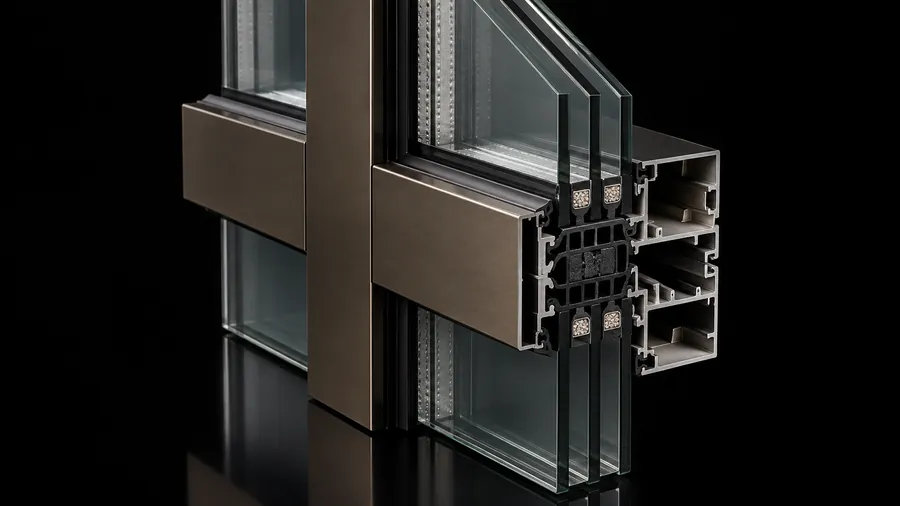
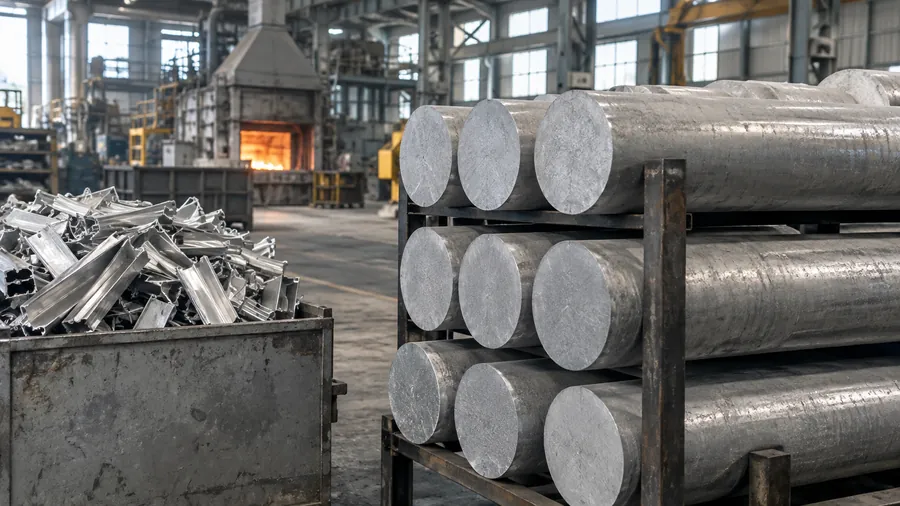
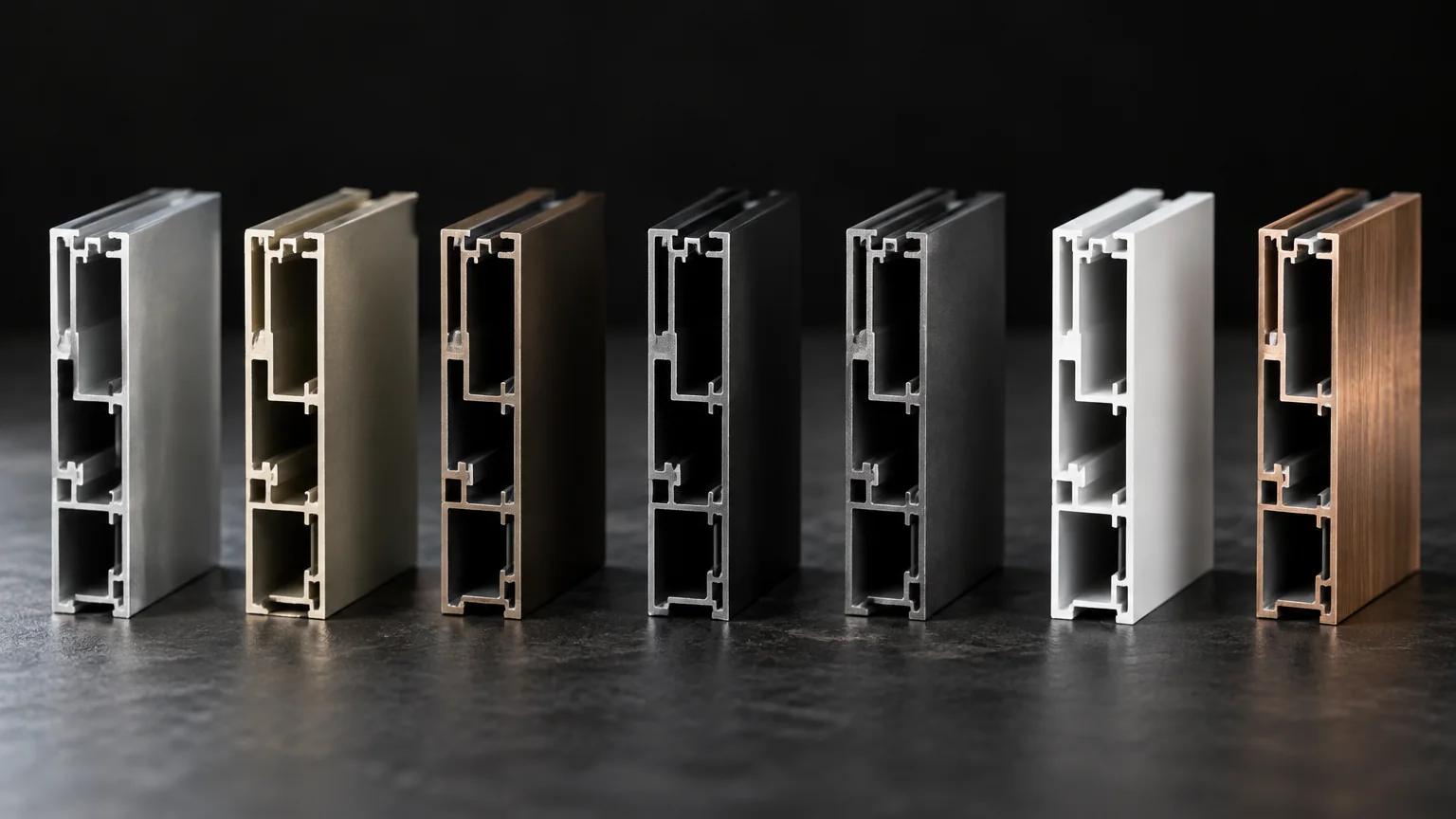
- In our façade systems, profiles are extruded from aluminium cast with up to 85% post-consumer recycled content.
- We ask our manufacturing partners for environmental product declarations for the systems we specify.
- We ask suppliers to source responsibly and to tell us where materials come from.
What you can do
- Specifying a project? Ask for the documents with the form further down this page.
- Read each material’s passport for its care and its second life.
EN 15804A3 Manufacturing
03Made to measure.
Windows, doors and façade units are made for the opening they will fill. Precise factory work leaves less to cut, trim and throw away on site.
Our approach
- Façade panels are glazed and sealed in the factory, then lifted into place floor by floor.
- Products are engineered in Europe by our manufacturing partners, to recognised European standards.
- We ask partners to manage energy, waste and emissions in their own production responsibly.
What you can do
- Let us survey properly. An accurate measurement avoids a remake, and a remake is one of the most wasteful things that can happen to a made-to-measure product.
EN 15804A4 Transport to site
04Fewer, fuller journeys.
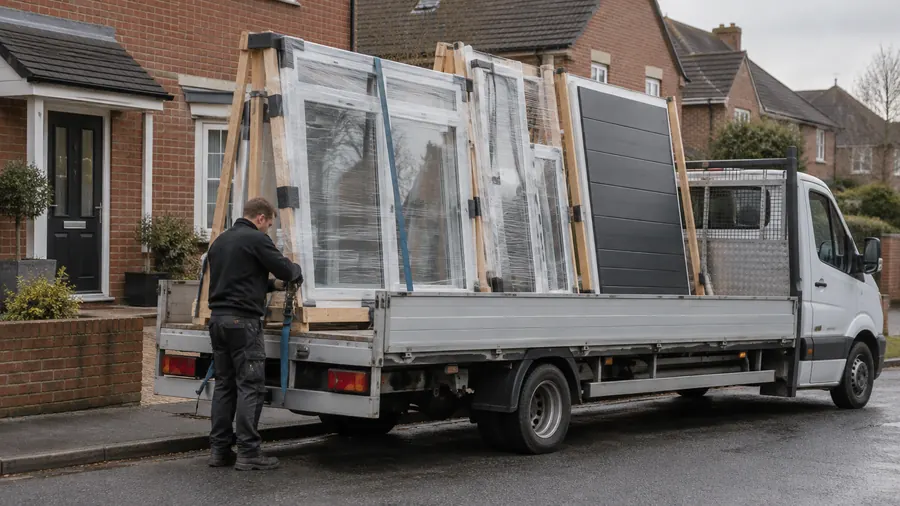
A product damaged on the road is a product made twice. Careful packing and well-planned journeys are part of its footprint.
Our approach
- We aim to plan deliveries so that the parts of one project arrive together, protected at every edge.
- On façade projects, panels arrive in the sequence they are installed, floor by floor.
What you can do
- Keep clear access for delivery day, and a dry place to store items until they are fitted.
- Check deliveries against your order confirmation and tell us straight away if anything is damaged.
EN 15804A5 Installation
05A clean handover.
Installation is where a good product becomes a good building. It is also where waste happens, unless someone plans for it.
Our approach
- When we replace windows, our installers remove the old units and they are recycled.
- We aim to separate packaging and offcuts on site, so they can go to the right stream.
- We aim to protect your home while we work. When we replace windows, the reveals are made good inside and out.
What you can do
- Ask at quotation what will happen to the product being replaced.
- Keep the documents handed over at the end: they are the product’s care record.
EN 15804B1 Use · B6 Operational energy
06The longest stage.
This is where insulation earns its keep, every heating season, for as long as the product is in place.
Our approach
- Triple glazing halves the heat loss through the glass and keeps the inside pane close to room temperature.
- Our thickest insulated garage door panels are rated by the manufacturer for energy-efficient and passive houses.
- Intelligent Systems can let blinds follow the sun and keep the heating on eco while you are away.
What you can do
- Keep seals clean and doors and windows closing fully.
- Ventilate in short bursts, or use a tilt or ventilation position, instead of leaving things wide open.
EN 15804B2 Maintenance · B3 Repair · B4 Replacement · B5 Refurbishment
07Care beats replacement.
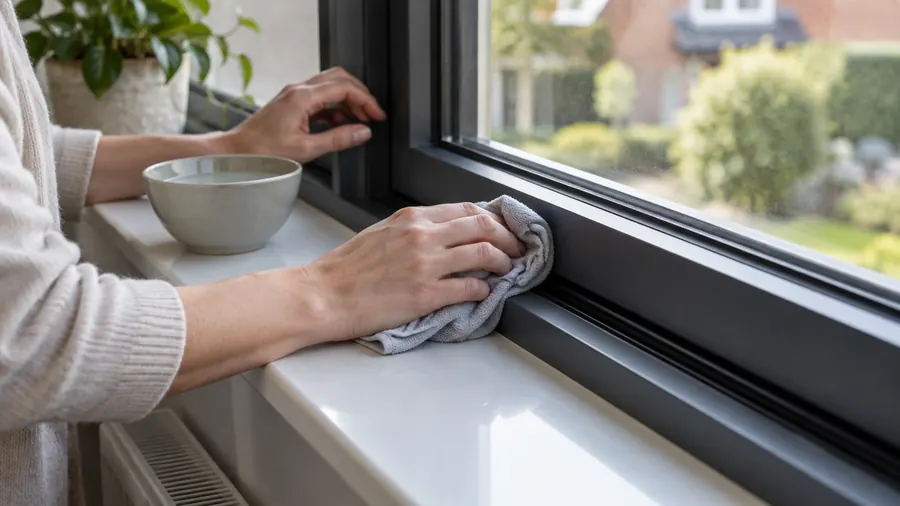
Little and often keeps a product working, and keeps it out of the skip.
Our approach
- We prefer designs where the parts that wear, such as seals, glazing, drives and remote batteries, can be renewed while the frame stays.
- Our support team can help you work out what is wrong before anything is replaced.
What you can do
- Clean, check and report early. Small faults stay small when they are caught.
- Follow the care guidance supplied with your order.
EN 15804C1–C4 End of life · D Beyond the system boundary
08Back into the loop.
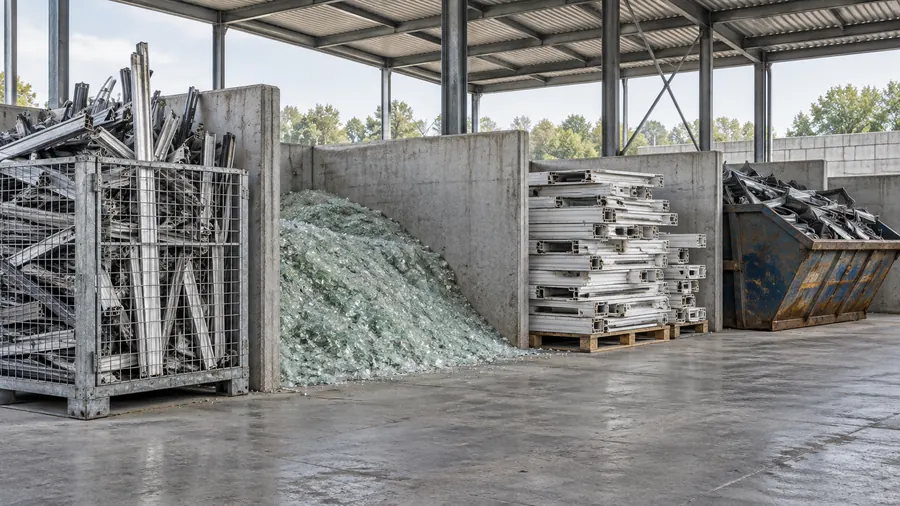
Aluminium can be recycled with about 5% of the energy needed to make it new. Glass and steel follow their own closed loops. None of it works unless it is separated.
Our approach
- We choose materials with established recycling routes.
- Environmental product declarations to EN 15804 report end-of-life impacts (modules C1–C4 and D), so you can see what recovery involves before you specify.
What you can do
- Separate by material when it is time; the guide below shows how for each product.
- Electrical parts and batteries never go in household waste.
Photographs: concept visualisations, shown in black and white
02Make it last
The most sustainable product is the one you don’t replace.
A window, taken apart. Three of its four parts wear. Lift them out, and the frame stays where it is.
Durability is the quiet half of sustainability. Every year a product keeps working is a year nothing new has to be made.
- 01
Protected in layers.
Our steel fence elements are built up in layers: iron phosphating, hot-dip galvanising inside and out, a chrome-free passivation and a powder coat.
- 02
Finishes that don’t ask for paint.
Powder-coated aluminium fences and windows never need repainting, and PVC-U frames wipe clean. Timber asks for a fresh coat every few years, or an aluminium cladding outside.
- 03
Renew the part. Keep the frame.
Seals, glazing, hardware and drives are the parts that wear. In our façade systems, gaskets, glass and drives are replaceable from inside while the frame stays.
- 04
Insulation that keeps working.
Triple glazing halves the heat lost through the glass. Clean, closing seals keep that saving where it belongs: inside.
Concept visualisation
03Material passports
Six materials. Honest notes.
Most of what we supply is built from these six materials. Pick your product to see what it is made of, how to look after it, and where each material goes when its work is done.
Showing all six materials.

Passport · Metal
Aluminium
Light, strong and recyclable again and again without losing its properties.
- Used in
- Façades · Windows & patio doors · Fences & gates · Garage door profiles
- Separate as
- Metals
- Why it lasts
- It doesn’t rust, and a powder-coated or anodised finish protects it without repainting.
- Care
- Wash with mild soapy water now and then. No repainting, ever.
- Second life
- Recycling aluminium takes about 5% of the energy of primary production. In our façade systems it starts life with a high share of post-consumer recycled content.

Passport · Metal
Steel
The strong structure behind doors, gates, buildings and the longest façade spans.
- Used in
- Garage doors · Fences & gates · Steel buildings & garages · Steel façades
- Separate as
- Metals
- Why it lasts
- Protection in layers. On our steel fences: iron phosphating, hot-dip galvanising, a chrome-free passivation and a powder coat.
- Care
- Rinse off grit and road salt. Touch up chips in the coating early, so the protection underneath stays intact.
- Second life
- Steel is magnetic, so it is easy to pull out of mixed waste, and it is one of the most widely recycled materials there is.
Passport · Mineral
Glass
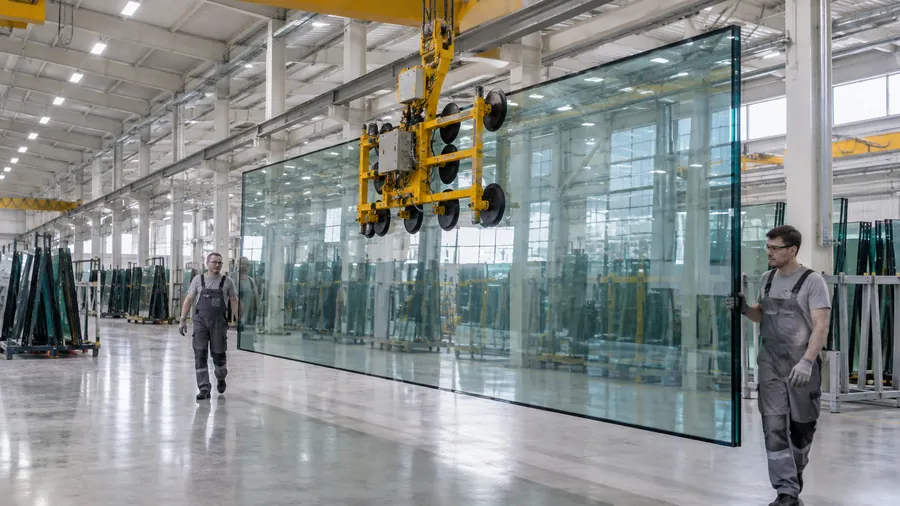
It doesn’t wear out. The sealed unit around it is the part that ages.
- Used in
- Windows & patio doors · Façades · Entrance door glazing
- Separate as
- Flat glass
- Why it lasts
- Glass is chemically stable. An insulating glass unit can be replaced on its own, so the frame can stay.
- Care
- Water, a drop of mild detergent and a soft cloth. Avoid abrasive pads and scrapers that can scratch the surface.
- Second life
- Clean, separated flat glass can be crushed into cullet and remelted. Flat glass is not bottle glass: keep it out of the bottle bank.

Passport · Grown
Timber
Grown, not mined. It stores the carbon the tree absorbed for as long as it stays in use, and it is renewable when it comes from well-managed forests.
- Used in
- Timber and wood-aluminium windows: laminated pine, meranti, oak or larch
- Separate as
- Waste wood
- Why it lasts
- Laminated sections stay straight and stable, and an aluminium cladding outside can take the weather for it.
- Care
- Re-coat every few years, before the finish breaks down. Keep drainage paths clear so water never sits on the wood. Ask us where the timber for your windows comes from.
- Second life
- Take coated or treated timber to the waste wood stream at your recycling centre, separate from garden waste.

Passport · Polymer
PVC-U
The warmest value for most homes, with a recycling route of its own.
- Used in
- PVC-U windows and balcony doors
- Separate as
- Rigid plastics
- Why it lasts
- Multi-chamber profiles with steel-reinforced sashes, and foil or colour-core finishes that never need painting.
- Care
- Wipe clean with warm soapy water. No solvents, no repainting.
- Second life
- Old frames can be ground down and reprocessed, commonly into the core of new profiles. The steel reinforcement comes out and goes with metals.

Passport · Electrical
Electronics
Drives, controls and sensors: small parts that need the most careful ending.
- Used in
- Intelligent systems · Garage door and gate drives · Window actuators and blinds
- Separate as
- Electricals · Batteries
- Why it lasts
- A drive is a separate part from the door, gate or window it moves, so it can be looked at on its own.
- Care
- Replace remote batteries when the range drops, and keep safety sensors clean and unobstructed.
- Second life
- Electrical equipment is collected separately under the UK’s WEEE rules: a household waste recycling centre or a retailer take-back. Batteries go to a battery collection point.
NoteMaterial notes are general. Your order confirmation and the documents supplied with your product describe your exact materials and care.
04Take it apart
When it’s finally time, separate it right.
Recycling only works when materials arrive clean and sorted. Choose a product to see what it is made of and which stream each part belongs to.
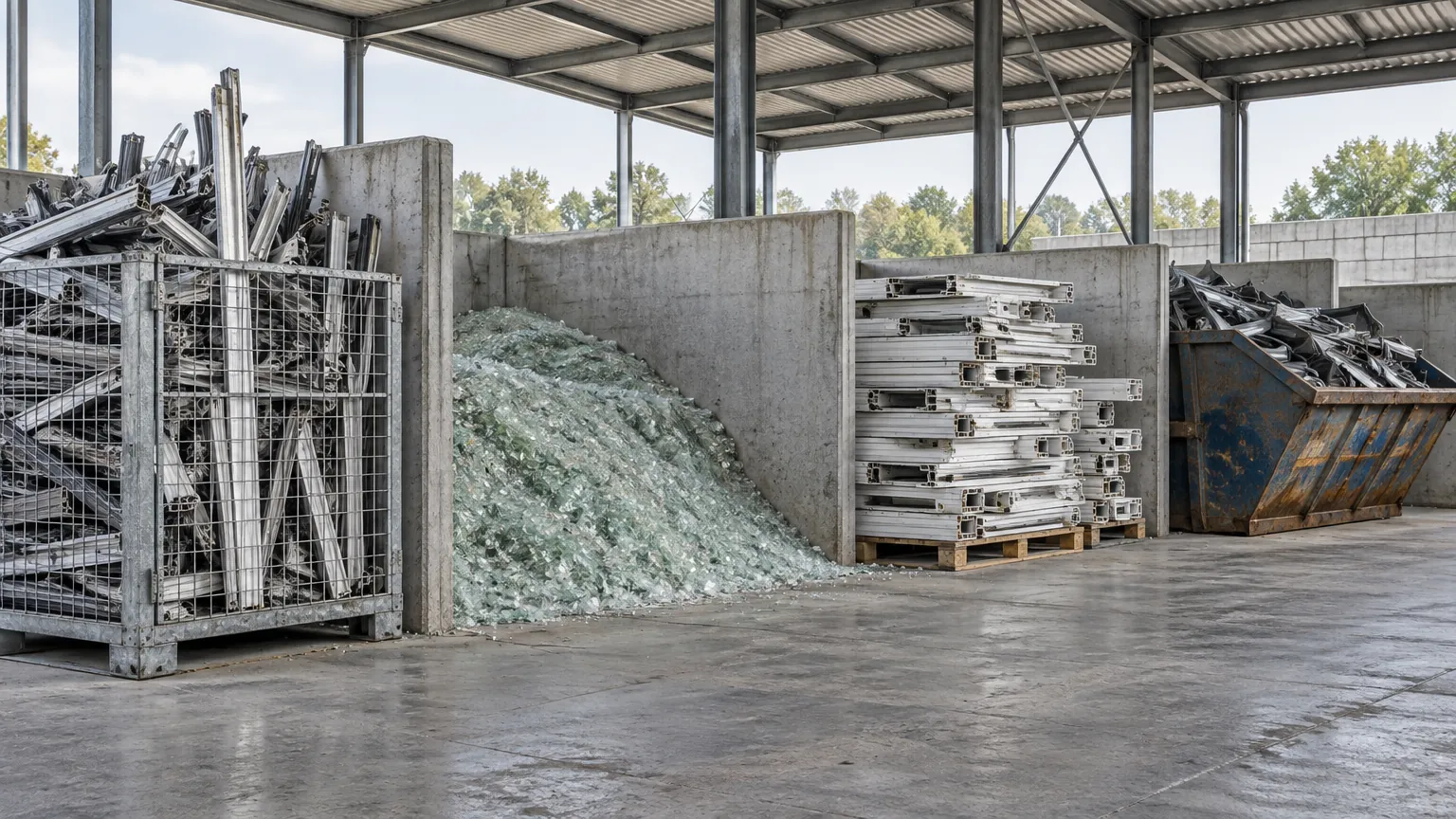
- Aluminium
- Flat glass
- PVC-U
- Steel
A window, taken apart.
- 01Frame and sashPVC-U, aluminium or timberBy frame material
- 02Steel reinforcementInside PVC-U profilesMetals
- 03Insulating glass unitGlass panes, spacer, sealantFlat glass
- 04Handles, hinges, lockingSteel, zinc or aluminiumMetals
- 05SealsEPDM rubberResidual waste
PVC-U frames go to rigid plastics, aluminium frames to metals, timber frames to waste wood.
Safety first. Glass edges are sharp and sealed units are heavy. Wear gloves and eye protection, and carry large units with two people.
What we do. When we replace windows, our installers remove the old units and they are recycled.
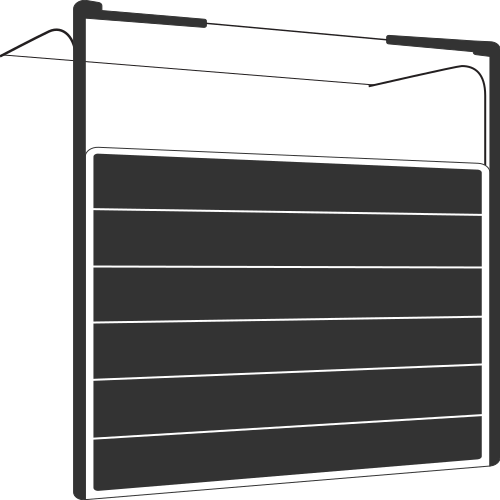
A sectional garage door, taken apart.
- 01Door panelsSteel sheet with a polyurethane foam coreMetals, if accepted
- 02Tracks, shaft, springs, cablesSteelMetals
- 03Rollers, hinges, fixingsSteel and plasticsMetals
- 04SealsRubber or elastomerResidual waste
- 05Drive and receiverElectricalElectricals
- 06Remote controlsTake the batteries out firstElectricals
- 07BatteriesFrom remotes, and the drive’s backup battery if fittedBatteries
Foam-filled panels are steel bonded to insulation: ask your recycling centre whether it takes them as metal before you load the car.
Stop. Garage door springs and cables are under high tension. Never release, adjust or remove them yourself: taking down a sectional door is a job for a trained installer.
What we do. Ask at quotation whether we can take the old door away when we fit the new one.
A fence and gate, taken apart.
- 01Panels, infills and postsGalvanised, powder-coated steel or aluminiumMetals
- 02Gate leaves and framesSteel or aluminiumMetals
- 03Hinges, latches, fixingsSteelMetals
- 04Post footingsConcreteRubble
- 05Gate drive, photocells, keypadElectricalElectricals
Keep steel and aluminium apart if you can: separated metals are worth more to the recycler.
Safety first. Isolate gate automation at its power supply before any work, and get help with heavy gate leaves.
What we do. Ask at quotation whether we can take the old fence away when we fit the new one.
Smart controls, taken apart.
- 01Drives and motorsGate, garage door, window, blindsElectricals
- 02Keypads, readers, sensorsElectricalElectricals
- 03Controllers and thermostatsElectricalElectricals
- 04Remote controlsTake the batteries out firstElectricals
- 05BatteriesMany shops that sell batteries take used ones backBatteries
Never put electrical items or batteries in household waste. Loose batteries can start fires in bins and collection vehicles.
Safety first. Mains-powered drives and controllers should be disconnected by a qualified electrician.
What we do. Before anything is replaced, we help you work out whether the fault is the drive, the remote or the product itself.
A façade, taken apart.
- 01Mullions, transoms, cover capsAluminiumMetals
- 02Insulating glass unitsGlass panes, spacer, sealantFlat glass
- 03Brackets and anchorsSteelMetals
- 04Gaskets and sealsEPDM rubberResidual waste
- 05Shading drives, vents, sensorsElectricalElectricals
Keep aluminium clean and separate from steel: it is worth more to the recycler that way.
Safety first. On a commercial building, taking a façade down is planned with the principal contractor as part of the project’s waste plan.
What we do. The environmental product declarations for the systems we specify report end-of-life modules C1–C4 and D, so the project’s waste plan can start from data.
NoteRules vary by area: your local authority decides which streams its recycling centres accept. Electrical equipment is covered by the Waste Electrical and Electronic Equipment (WEEE) Regulations 2013, and batteries by the Waste Batteries and Accumulators Regulations 2009.
05What we aim for
Aims, not claims.
We would rather show you what we are working towards than print a percentage we can’t evidence. If we publish figures, each one will come with its source.
- 01
Recycled content where it performs.
We aim to specify recycled material wherever it meets the performance a product needs, as we already do with the aluminium in our façade systems.
- 02
Documents, not adjectives.
We ask our manufacturing partners for environmental product declarations, so a building’s carbon count rests on verified data.
- 03
Designed to be renewed.
We aim to choose designs where the parts that wear can be replaced and the frame stays.
- 04
Nothing made twice.
We aim to survey accurately, protect every item in transit and combine deliveries, so no product has to be made again.
- 05
Clean sites, sorted waste.
We aim to separate waste on site, and to take away the products we replace for recycling wherever we can.
- 06
Care before replacement.
We aim to make care simple and repair the first answer: clear guidance, honest diagnosis, parts before products.
- 07
The same standard for partners.
We ask our suppliers and manufacturing partners to manage their environmental impact responsibly. Our expectations are set out on the Supplier Responsibility page.
06Declared, not claimed
Ask for the documents.
An environmental product declaration (EPD) is an independently verified document that reports a product’s environmental impacts across its life cycle. In Europe, EPDs for construction products follow EN 15804 and ISO 14025, and use the same module codes as the loop above.
- A1–A3Product stageRaw materials, transport to the factory, manufacturingStages 02–03
- A4–A5ConstructionTransport to site, installationStages 04–05
- B1–B7UseUse, maintenance, repair, replacement, refurbishment, energy and water in useStages 06–07
- C1–C4End of lifeDeconstruction, transport, waste processing, disposalStage 08
- DBeyond the system boundaryReuse, recovery and recycling potentialStage 08
Request documents for your project or order.
Tell us what you need and we will prepare an email for you to send. Where our manufacturing partners hold EPDs for the systems we specify, we can share them; for other products we will send the material and care information we have.
Nothing is sent until you send it from your email app.
07A little clarity
Questions, answered.
Because sustainability shouldn’t need a colour to be believed. We would rather show you the decisions than paint them green.
Not on this page. Where our manufacturing partners hold environmental product declarations for the systems we specify, we can share them: each one sets out the product’s carbon figures and how they were verified. Ask with the form above.
When we replace windows, our installers remove the old units and they are recycled, and the reveals are made good inside and out. For other products, ask at quotation; your quotation and order confirmation set out exactly what is included.
Take the batteries out of remotes and drop them at a battery collection point. The motor, receiver and remotes are electrical equipment: take them to a household waste recycling centre or use a retailer take-back. Have a mains-powered drive disconnected by a qualified electrician first, and never touch the door’s springs or cables.
It depends on the opening, the budget and the look you want. Aluminium is slim, strong and recycles with a fraction of the energy of new metal. PVC-U gives the warmest value for most homes and can be reprocessed into new profiles. Timber is renewable and warm, and asks for a little more care. The most sustainable choice is the one that lasts longest in your home.
In the documents supplied with your order, and on our Product Support page, which has care guidance for each product family. If something isn’t working as it should, Repair My Product helps you describe it.
Please tell us. Our Environment page explains how we work on site and how to raise a concern, or email enquiries@watford-construction.com.
Made to last. Then made again.
Questions about materials, documents or the end of a product’s life? Talk to the team that specifies, supplies and installs it.
Notes. Images are concept visualisations, shown in black and white. Recycled content of façade aluminium: our manufacturing partners’ published data, as set out on our Façade page. Recycling energy for aluminium: International Aluminium Institute. Life-cycle modules: EN 15804+A2 and ISO 14025. UK collection rules: the WEEE Regulations 2013 and the Waste Batteries and Accumulators Regulations 2009. Performance statements summarise our product pages; your quotation and order confirmation describe your exact product.
